
5 Myths About Scrap Metal Recycling
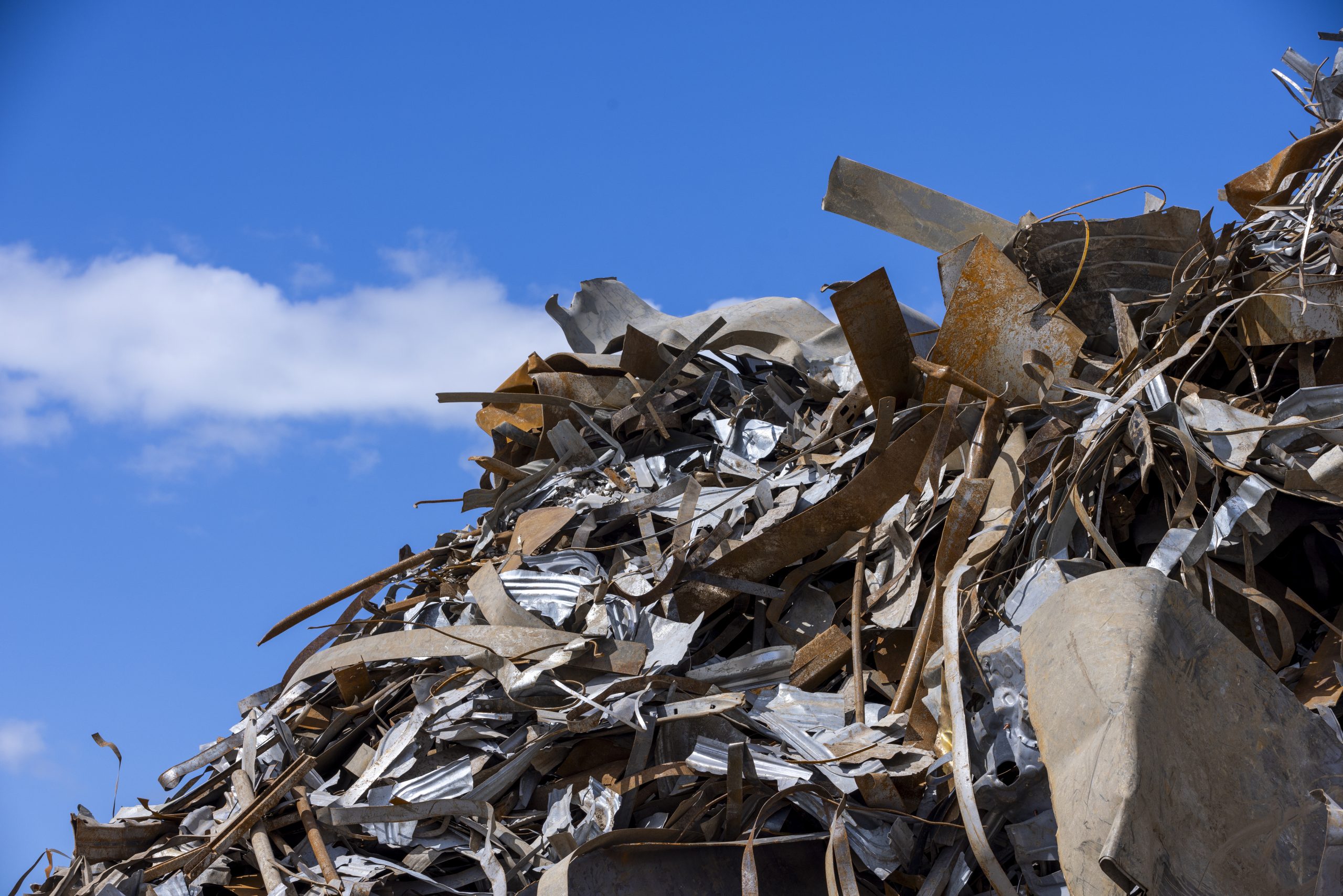
Historically, steel production has often been viewed through the lens of raw material extraction, but a majority of modern steel production is part of a continuously renewing material cycle. Most metals are fully recyclable without loss of quality, making them valuable assets in the sustainable manufacturing supply chain. Therefore, scrap metal recycling is an ever-growing industry due to its role in sustainability and circularity efforts across a variety of industries. In North America, the market for scrap metal recycling reached $68.78 billion in 2025 (Fortune Business Insights, 2026).
The scrap metal industry plays a critical role in the domestic steel supply chain, where manufacturers rely heavily on recycled metal to produce new steel. A decrease in scrap availability would increase reliance on non-renewable raw materials, underscoring the importance of scrap recycling to both domestic manufacturing and the broader U.S. economy.
Misconceptions about scrap metal recycling can obscure public perception about its environmental benefits, product performance and recycling’s role in the circular economy. This article examines common myths and misconceptions to clarify the facts about how discarded metal can be sorted, processed and made into new steel products.
Myth 1: Recycling Scrap Metal Wastes More Energy Than It Saves
Fact: Recycling scrap metals consumes less overall energy than the process of mining new raw materials for BF-BOF steelmaking.
The goal of metal recycling is to turn end-of-life materials into new steel products, thereby conserving natural resources. So, we need to examine total energy consumption across the two modern ways to make steel: electric arc furnace (EAF) and blast furnace-basic oxygen furnace (BF-BOF) – also known as extractive steelmaking. The total energy required across all stages of production, from raw material extraction through manufacturing, is a key metric for comparing the environmental impact of steelmaking methods.
Comparing the total energy use of traditional vs. recycled steelmaking:
Traditional, extractive steelmaking is immensely energy- and emissions-intensive. According to the American Iron and Steel Institute (AISI), recycling a single ton of steel conserves, on average, 2,500 pounds of iron ore, 1,400 pounds of coal and 120 pounds of limestone. Those are the raw materials needed to make steel in the traditional or extractive BF-BOF steelmaking method, which requires mining raw, non-renewable materials from the earth.
- The extractive process generates significant greenhouse gas (GHG) emissions because CO2 is produced as a byproduct in both stages of the BF-BOF process.
- BF-BOF production requires vast amounts of water to mine and process the ore to extract the metal.
- Mining can also introduce heavy metals and toxins into the soil.
By contrast, recycling metals leads to notable energy savings throughout the process. The World Steel Association (worldsteel) found that scrap-based EAF steel requires 64% less primary energy than traditional BF-BOF steel production (Sustainability Performance of the Steel Industry, 2024). While Nucor’s EAF steelmaking process also incorporates scrap supplements alongside recycled scrap, it has a significantly lower energy intensity than BF-BOF steelmaking.
The energy conserved by using recycled metals as EAF steelmaking’s primary input helps reduce GHG emissions and preserve natural resources, benefiting both the environment and economy.
- Reducing mining activities through recycling may help safeguard water quality and ecosystem health.
- Recycling metal as part of the EAF steelmaking process is far more water-efficient than mining for blast-furnace steelmaking because it requires less water in the manufacturing process. Plus, the water used for EAF steelmaking is reused 8-10 times in closed-loop systems.
Learn about Nucor’s process from scrap to new steel in this article.
Myth 2: There is Not Enough Scrap Metal to Keep Up with Industry Demand
Fact: The U.S. scrap reservoir already exceeds 4 billion tons and continues to grow (Steel Manufacturers Association, 2025).
Steel never truly leaves circulation. It can be infinitely recycled without loss of quality, generating a reliable supply of EAF scrap. As buildings are decommissioned, vehicles retired and appliances replaced, steel re-enters the supply chain as scrap – creating a continuous, reliable feedstock that supports the growing demand. When these products or structures reach the end of their service life, the steel they contain is processed at scrap yards, then fed into an EAF and melted to produce new, high-quality steel products. This steady flow of end-of-life material, often combined with industrial scrap salvaged directly from manufacturing, sustains a consistent and renewable supply stream for EAF steelmaking.
An additional benefit: metals entering landfills unnecessarily take up precious available landfill space, so diverting metals for recycling saves that space.
Electric arc furnaces produce about 70% of steel in the U.S. and are expected to make up 90% of production by 2040, according to a 2025 study by steel expert Marcel Genet. In particular, the United States has the world’s largest scrap reservoir relative to its needs. As many iron ore reserves are scaling back, there is already enough domestic ferrous steel scrap supply to meet demand, even amid growing market conditions.
Did you know that Nucor is the largest recycler in North America?
Nucor recycles an average of 20 million net tons of scrap metal annually at its 27 steel mills – and we are always growing and innovating new ways to deliver sustainable steel products and services.
Myth 3: There Are No Safety Standards for Teammates at Metal Recycling Facilities
Fact: Professional metal recycling centers prioritize safety through sophisticated equipment and standardized procedures.
In the United States, metal scrap recycling is regulated by strict OSHA standards under the U.S. Department of Labor, as well as other state and local safety requirements. It also requires specialized equipment and trained professionals who operate it. As with many facilities that work with potentially hazardous materials, scrap metal yards are designed with teammate, customer and community safety in mind.
Safety procedures take precedence:
Modern metal recycling operations are carefully structured for order and control. Clearly defined scrap material flow paths, designated processing zones and disciplined practices help maintain organized facilities and reduce the risk of incidents. Facilities operate under formal safety management systems that often include hazard identification, equipment guarding and routine inspections to mitigate operational risk. Environmental controls, such as dust and stormwater management and emissions monitoring, further support safe, compliant operations.
Equally important is workforce development. Teammates are trained and certified to operate heavy equipment, cutting systems and material-handling machinery safely and efficiently. Ongoing safety education and continuous training programs reinforce a culture in which safety is embedded in operations.
About Safety at Nucor:
Safety is an unwavering core value of Nucor, and our challenge is to become the world’s safest steel company. In 2025, Nucor lowered its Injury and Illness (I/I) rate for the seventh straight year, an 8% decrease from the previous year. To learn more and see the list of scrap facilities that are recognized by OSHA’s exemplary Safety and Health Achievement Recognition Program (SHARP), visit Nucor Safety.
Myth 4: Rusted or Damaged Metal Scrap Cannot be Recycled
Fact: When metal is shredded and melted, impurities are eliminated during the EAF steelmaking process.
Rust is a natural chemical reaction that occurs when iron reacts with oxygen and moisture, forming iron oxide on the surface of the metal. This oxidation process affects appearance and surface condition, but it does not eliminate the underlying value of the steel itself.
In most cases, rust is a surface defect, not a loss of the base material’s recyclability. When rusted scrap metal is recycled during the EAF steelmaking process, its impurities are removed during smelting, when it is remade into a new grade of steel.
This understanding helps clarify two lesser-known facts about recycled steel:
- Rusted, weathered or damaged end-of-life steel products are recyclable.
During the EAF process, specialized metallurgists work with molten metal, where chemistry can be precisely controlled, and all coatings, corrosion and other contaminants are removed.
During the highly technical recycling and steelmaking process:
- Scrap steel is sorted, shredded and processed at scrap facilities to prepare it for melting.
- Material is melted at high temperatures in an EAF.
- Impurities are separated and controlled through chemistry, refining processes and metallurgical adjustments.
Discover more about the circular EAF steelmaking process.
- Steel made in an EAF can produce high-quality, complex grades.
Another persistent misconception is that steel produced with a higher recycled content cannot meet the performance standards of traditionally produced steel. However, modern EAF steelmaking uses advanced technology and chemistry adjustments to transform scrap materials into high-grade, specification-driven products.
Nucor implements the use of recycled scrap blended with scrap supplements like high-quality direct reduced iron (DRI), a lower-carbon alternative, and other materials to manufacture higher grades of steel.
EAF facilities routinely manufacture:
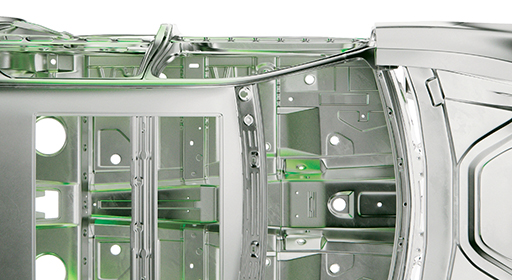
- Automotive grade steel
- Cold-finished and specialty bar products
- High-strength, low-alloy steels
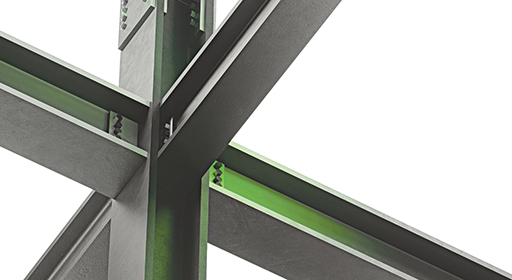
- High-strength structural grades, including Aeos® ASTM A913
- Military grade plate and engineered bar products
Steel’s quality is determined by metallurgical properties, not whether the raw material originated as scrap. With precise alloying, testing and certification, steel made with scrap as the primary feedstock can meet rigorous mechanical, chemical and performance requirements.
Learn how EAF steel is driving the future of automotive production.
Myth 5: Some Metal Items are Too Small or Too Large to Recycle
Fact: Metals can be recycled regardless of size. Even small amounts are entirely recyclable due to innovative technology.
Scrap metal of all sizes can be recycled, prompting individuals and companies to sell it to locations across the U.S. to generate income. If you have scrap metal that is too large to fit in your vehicle, you can call a nearby scrap facility to find out if they have pickup services, and you can see a list of accepted materials here.
Steel is 100% recyclable and reusing it as part of a circular industry conserves our natural resources. Scrap metal recycling facilities are highly advanced, and Nucor is committed to continual innovation. For example, our 100,000-square-foot advanced metal recycling facility in Bushnell, Florida, operated by Trademark Metals Recycling (TMR), uses advanced technology to recover metals, including fractions as small as 2mm, keeping these metals out of soils and water streams.
Steel recycling contributes to a stronger domestic, circular economy:
Scrap recycling strengthens the domestic steel supply chain by keeping available metals in circulation within the United States, reducing reliance on virgin materials and imported inputs while improving supply continuity. Additionally, it sustains regional processing and transportation networks and enhances U.S. competitiveness by providing stable, locally sourced scrap input for EAF steel production.
It also sustains high-skilled manufacturing jobs within the country. In fact, the scrap metal industry employs over 596,000 Americans and contributes $117 billion to the economy (Recycled Materials Association, 2026).
As the largest recycler in North America, Nucor is committed to furthering the circular economy through metal recycling and EAF steelmaking.
If you are interested in helping to keep scrap out of landfills and gaining additional income by selling scrap metal, there is likely a metal recycling facility near you. While scrap steel prices vary, many facilities accept a variety of ferrous and non-ferrous metals, including copper, aluminum and steel.