
The Evolution of America’s Leading Steelmaker & Recycler
Our History
From automobiles to nuclear services to steel, the story of Nucor is about the ability to adapt to changing times. The company’s innovative and teammate-focused culture catapulted Nucor from “the little steel company that could” to the largest steel producer and recycler in America.
1905
An Unlikely Connection
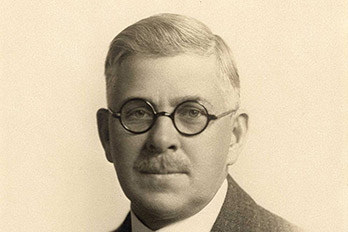
Ransom E. Olds, creator of the Oldsmobile, forms REO Motor Company, which evolves into the Nuclear Corporation of America and ultimately Nucor.
1962
Moving Toward The Steel Market
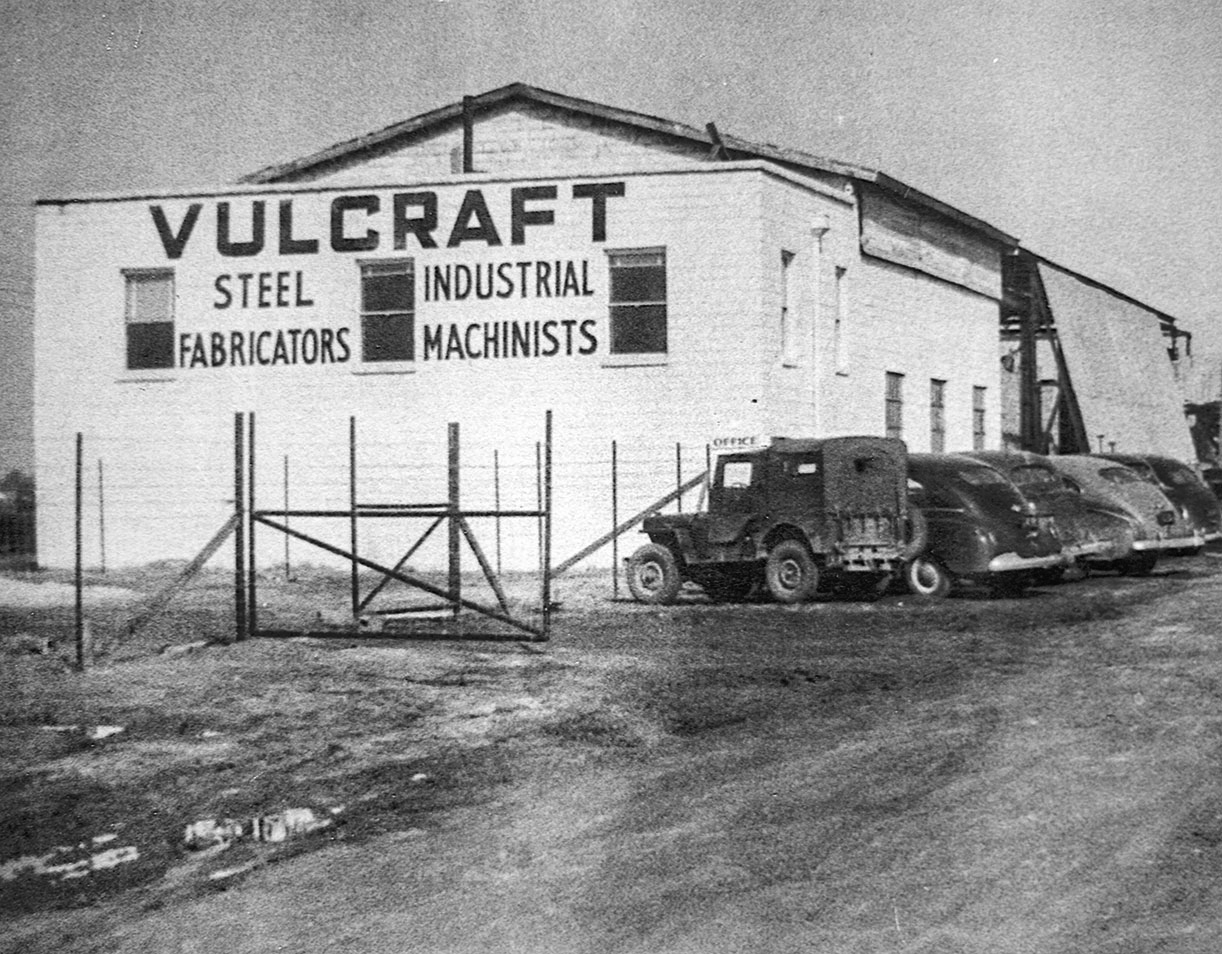
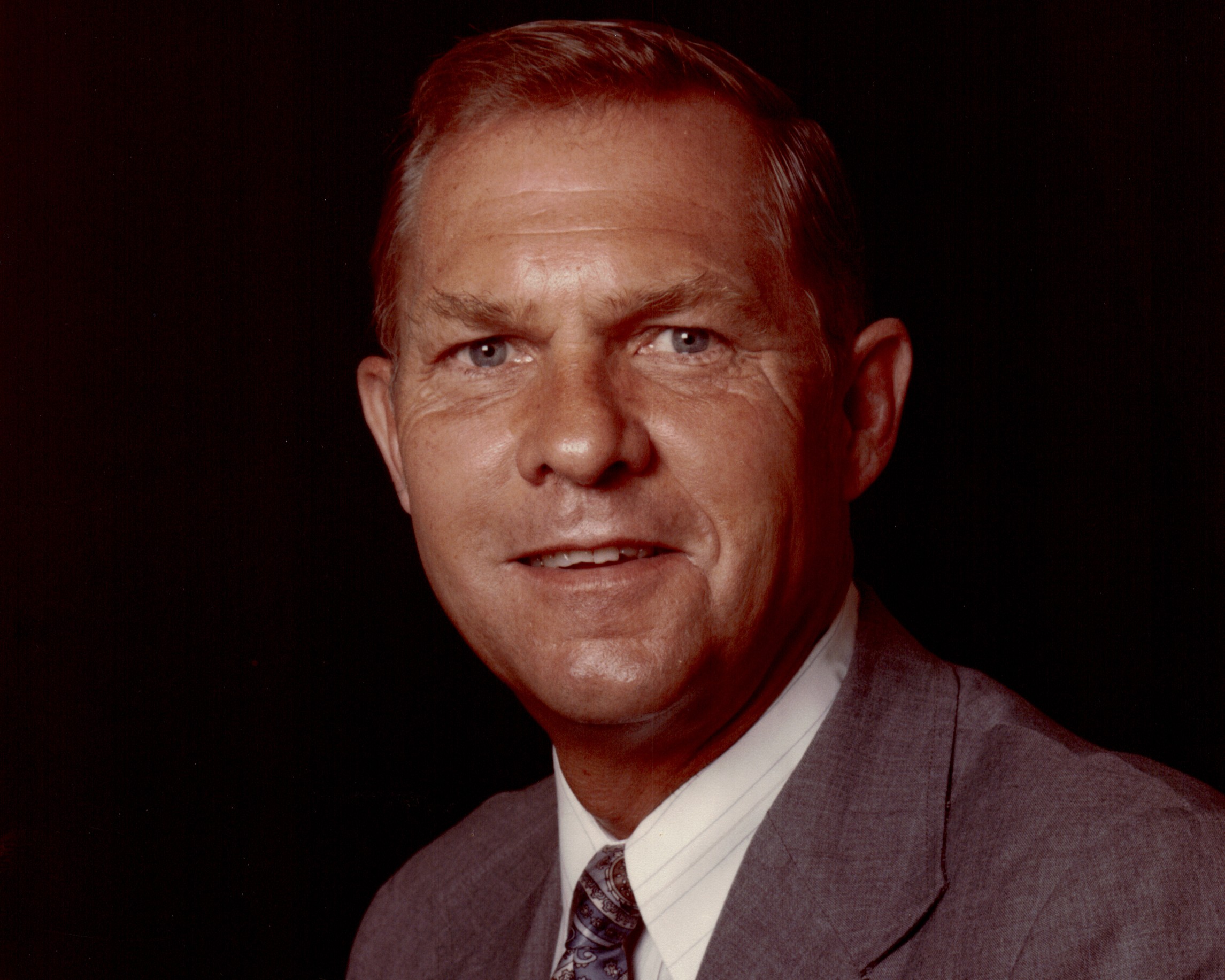
Nuclear Corporation makes two strategic moves that change the company and ultimately the American steel industry: the acquisition of Vulcraft, a producer of steel joists and girders, and the hiring of Ken Iverson to run Vulcraft. Iverson soon emerges as one of the great visionaries and mavericks in American industry.
1964
Building Something Bigger
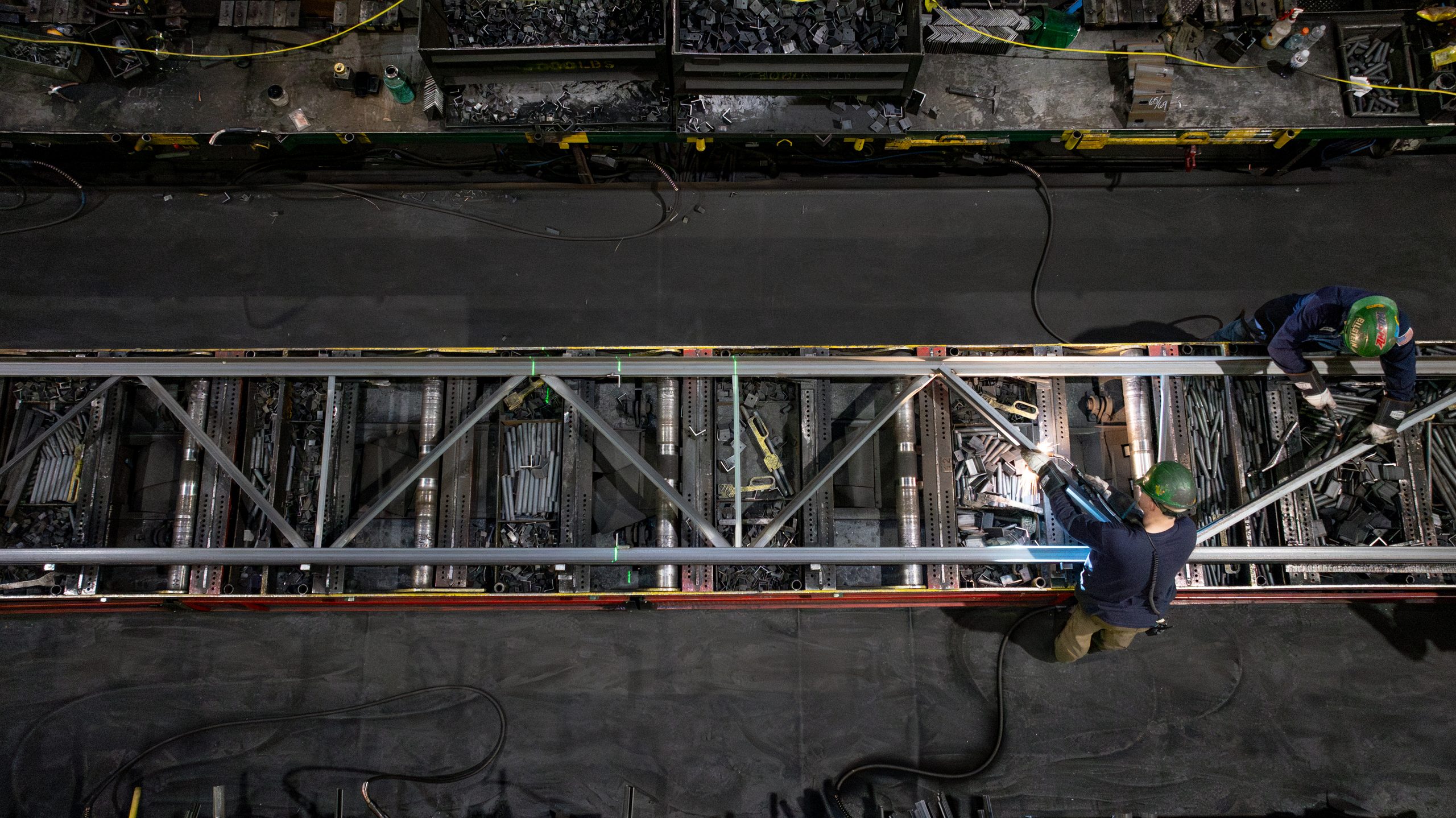
The company opens a second Vulcraft plant in Nebraska to meet increasing demand for steel joists. Based on the success of its first two plants, Vulcraft purchases M&S Steel Company of Fort Payne, Alabama in 1967, which becomes Vulcraft – Alabama, and builds its fourth steel joist plant in Grapeland, Texas the following year. Business booms, and Vulcraft’s growth has continued ever since.
1965
Iverson & Siegel Forge a New Path
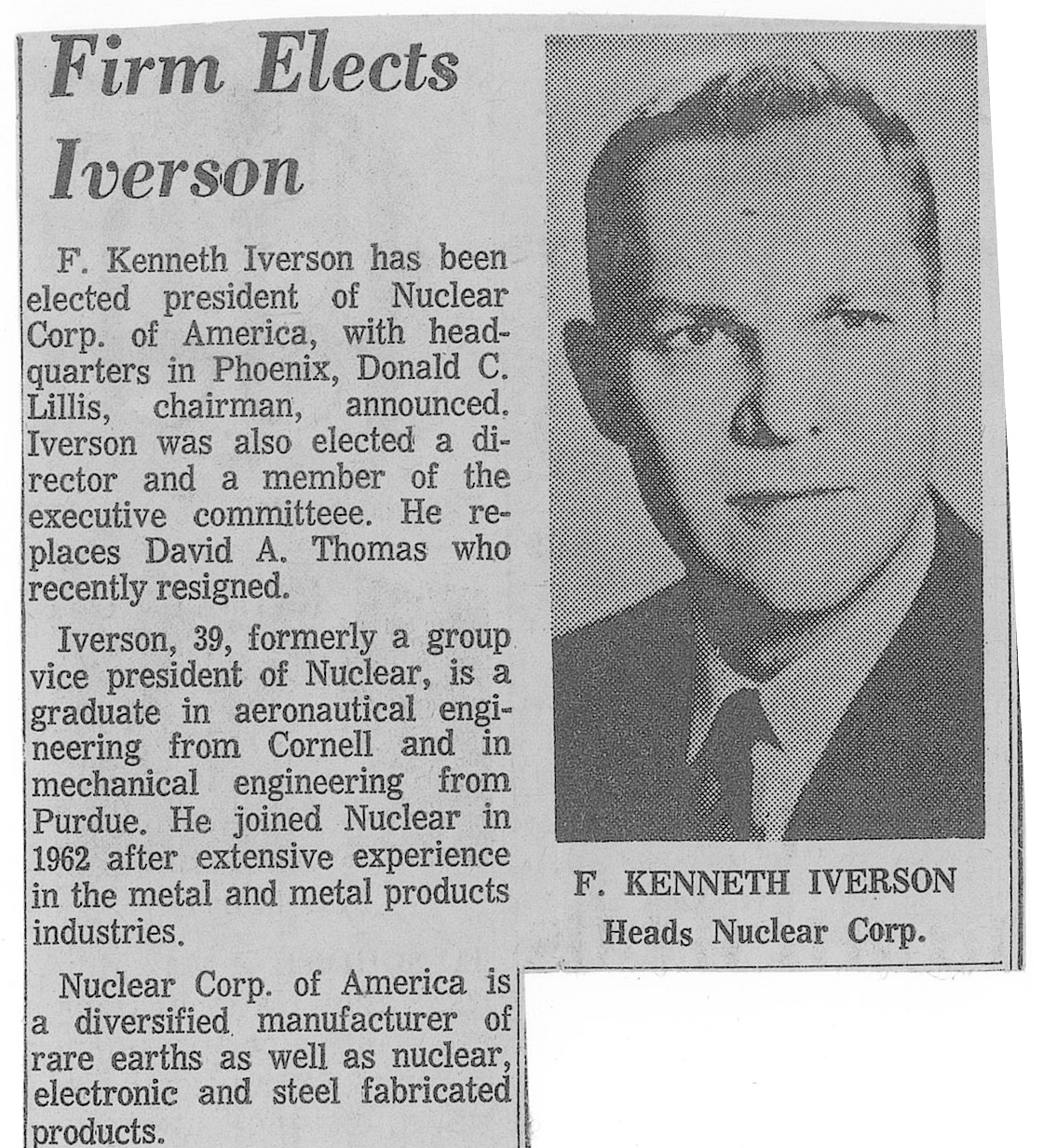
Nuclear’s newly appointed president, Ken Iverson, and company treasurer and controller, Sam Siegel, act quickly to put the company on a course toward profitability, including selling off inefficient divisions.

1966
Steel Resolve
The company moves its corporate headquarters from Phoenix, Arizona, to Charlotte, North Carolina. Iverson proposes entering the steelmaking business and starts a profit sharing program, beginning the company’s tradition of paying for performance.
1969
Mini Might
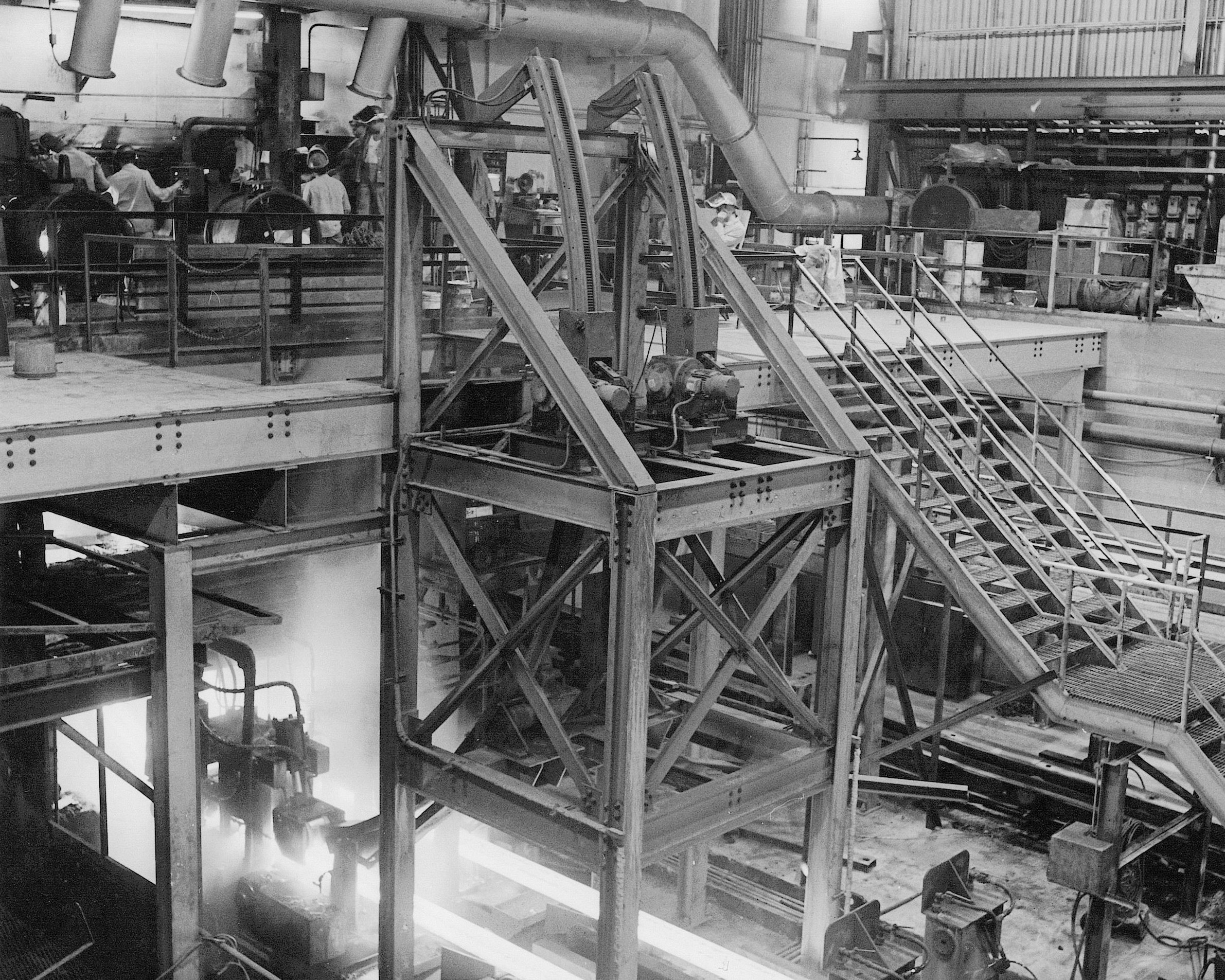
The company’s first mini mill, located in Darlington, South Carolina, goes into production. At first intended as a way to provide a reliable and economical supply of steel to the company’s Vulcraft divisions, the mini mill soon expands production to accommodate outside customers.
1971
Nuclear Goes Nucor
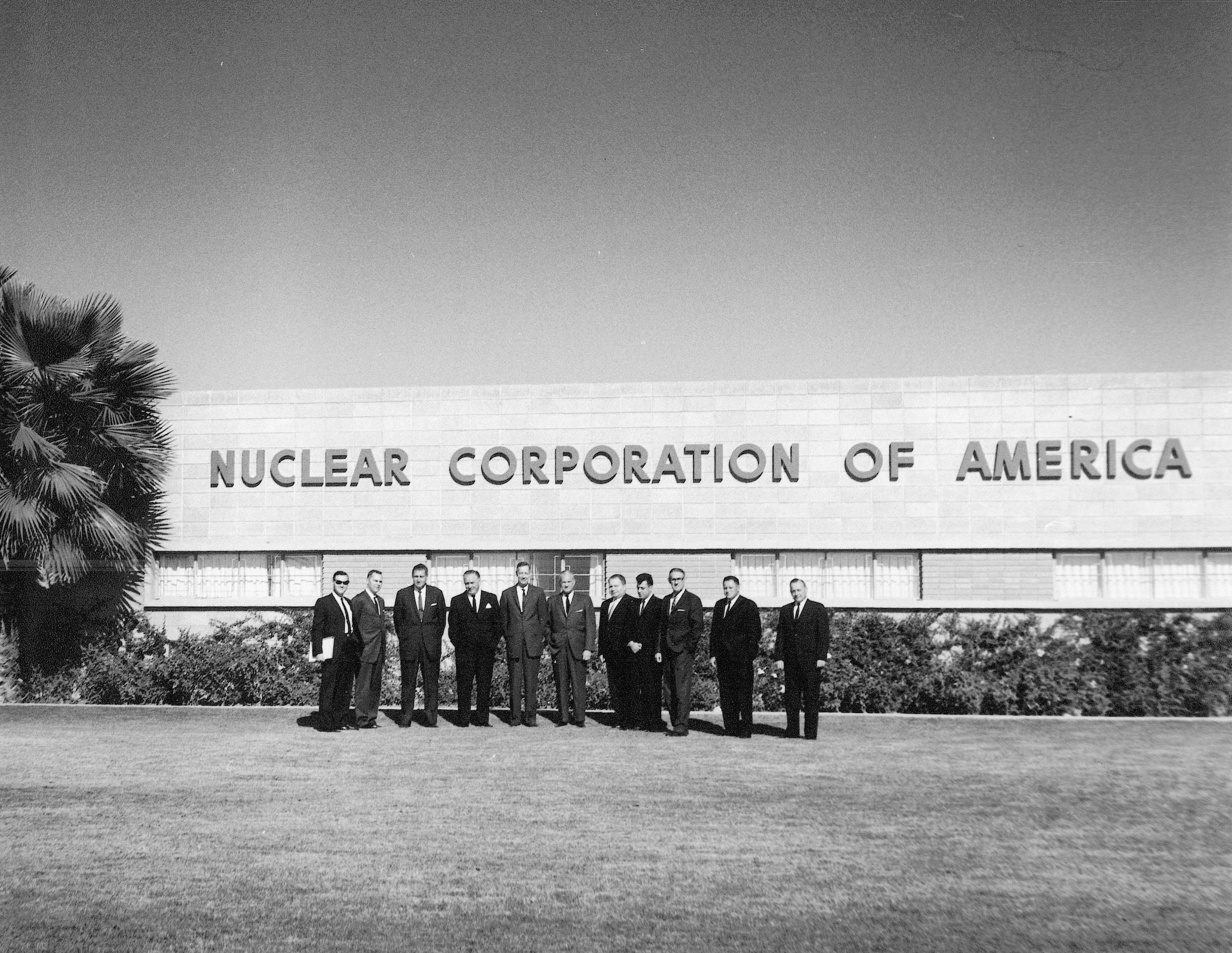
With the company now on its way to becoming a highly focused steel producer, the board of directors of Nuclear Corporation of America approves a name change to Nucor.
1972
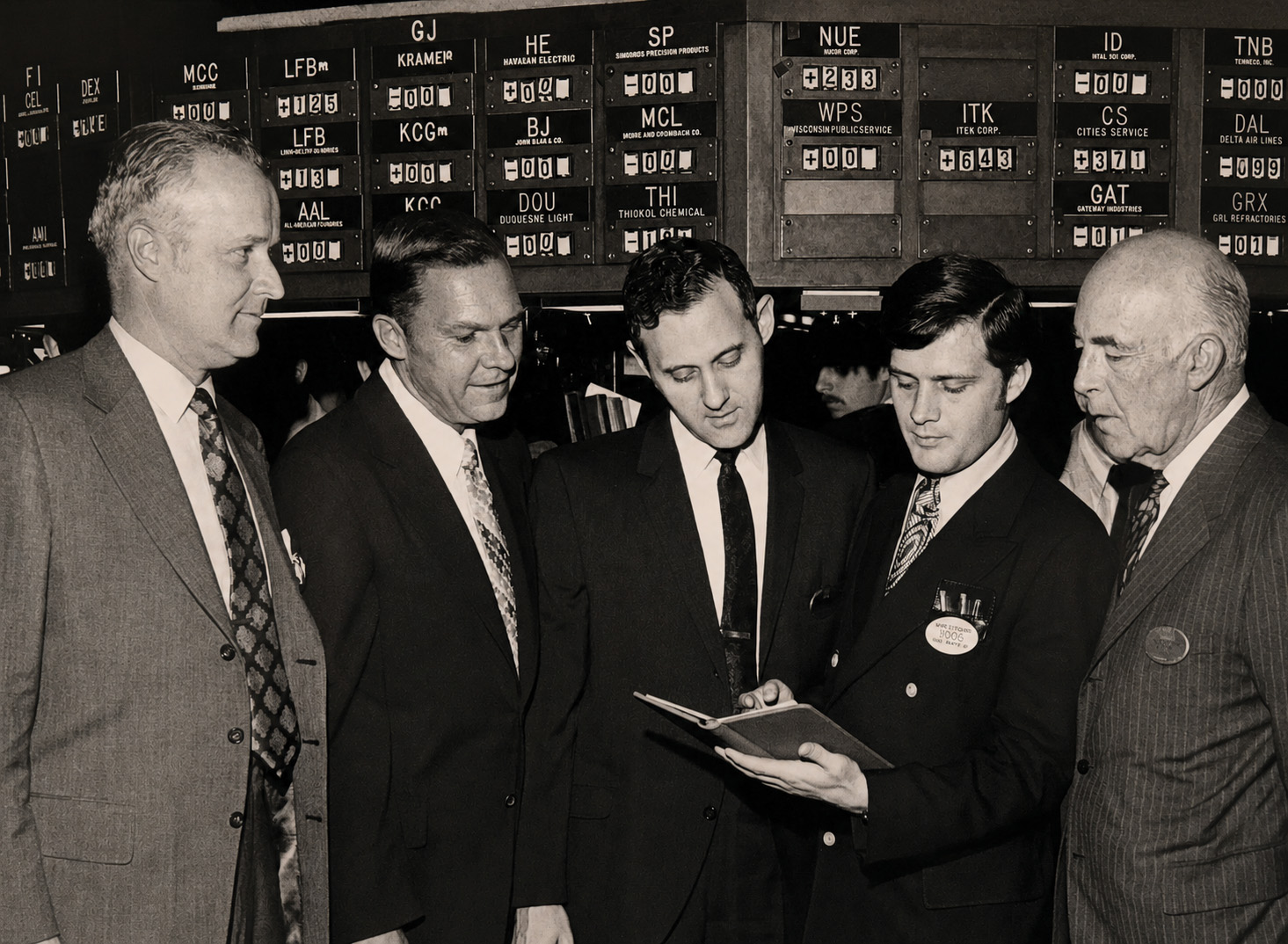
On The Big Board
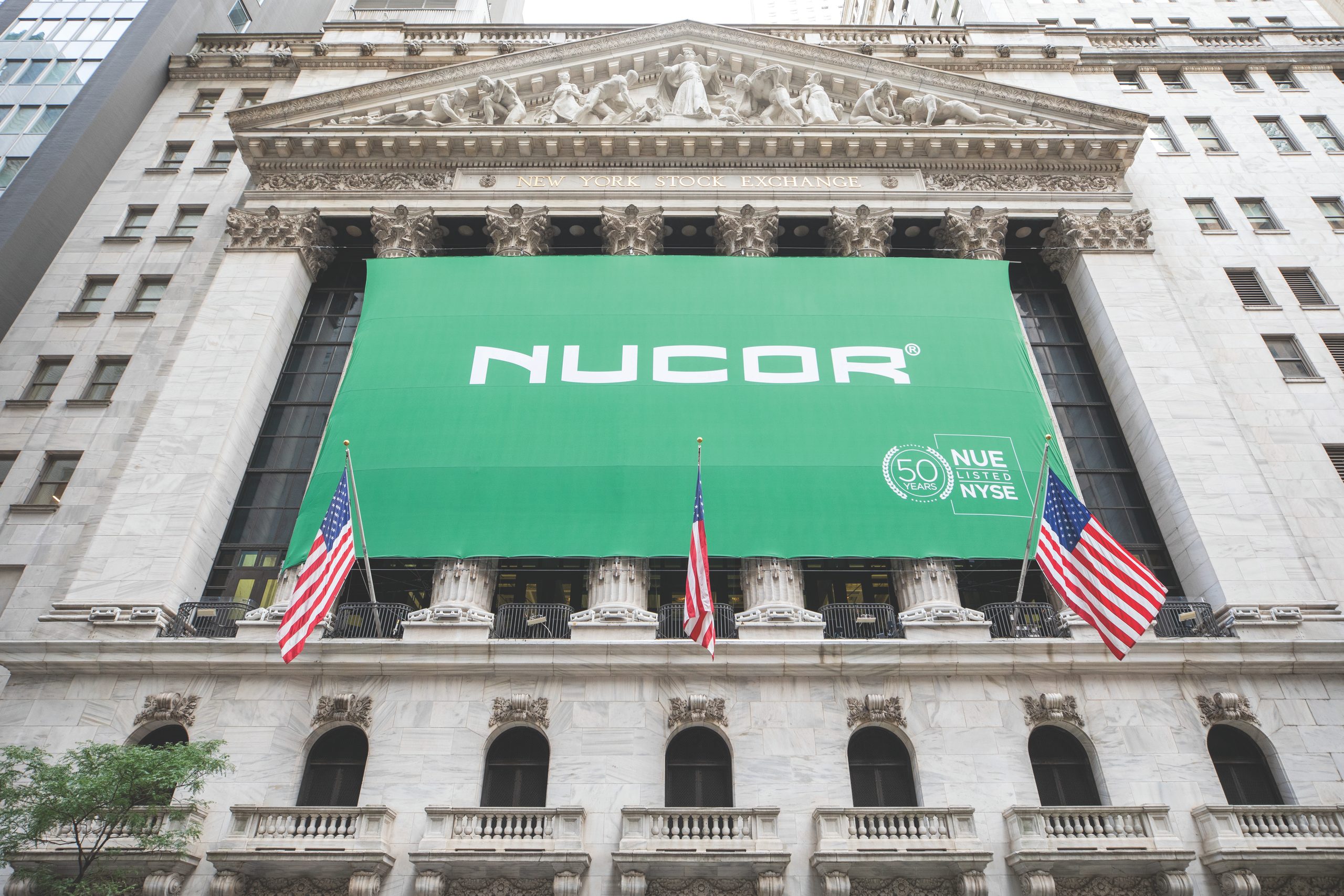
Nucor is listed under the ticker symbol NUE on the New York Stock Exchange for the first time. The company also announces plans to build a second mini mill, located in Norfolk, Nebraska, while a fifth steel joist plant goes into operation in St. Joe, Indiana.
1973
Credit Where Credit is Due
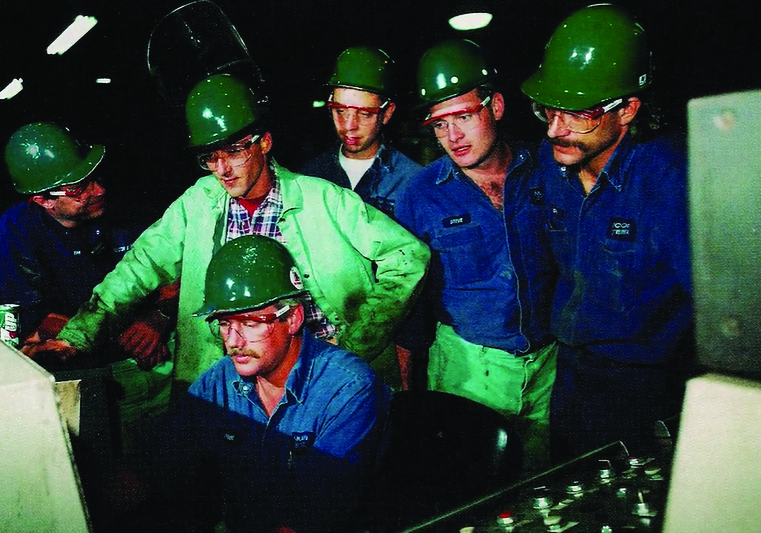
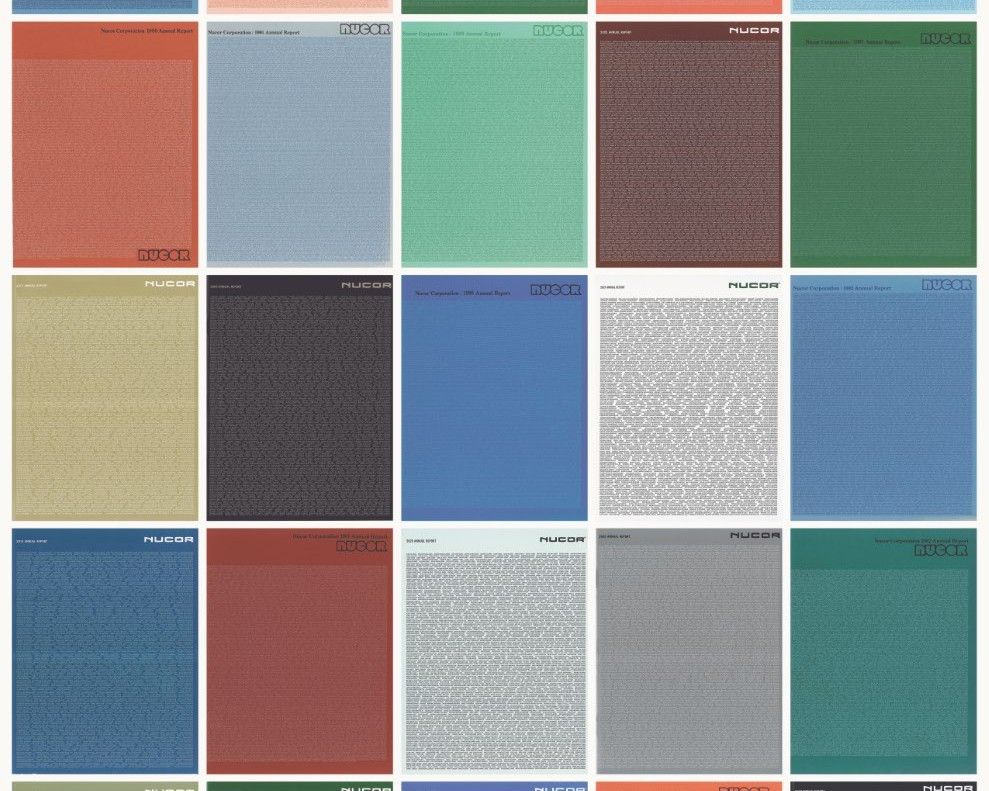
Nucor offers a 5-cent cash dividend per share of the company’s common stock, and has paid a quarterly dividend ever since. A year later, the Nucor Foundation is established for teammates’ children. Since 1974, Nucor has contributed over $140 million to scholarships and educational disbursements. And in 1975, Nucor begins the tradition of listing teammate names on the cover of the annual report.
1975
Deep in the Heart of Texas
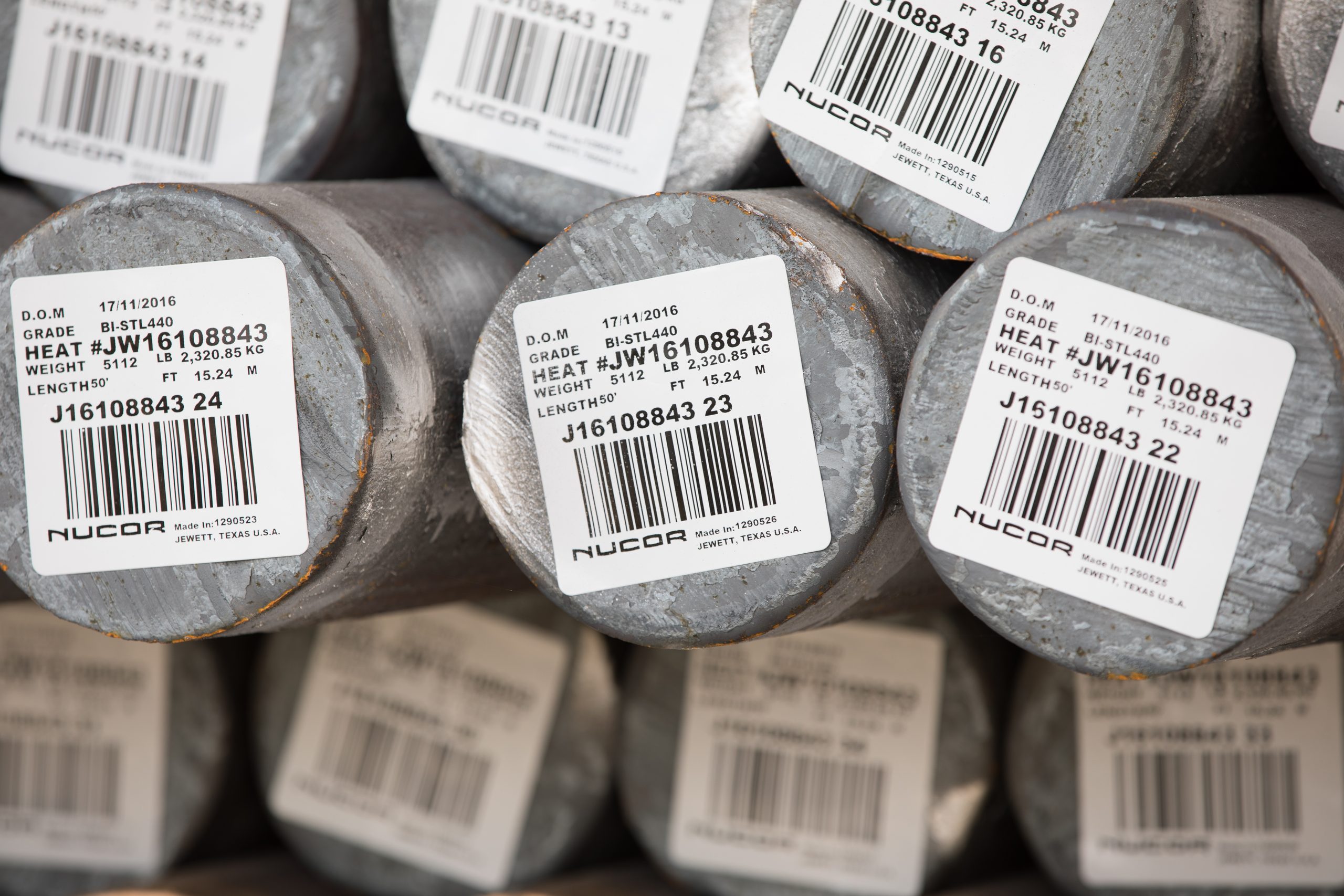
Sensing an opportunity in a market experiencing short-term steel shortages, Nucor begins operation of its third mini mill in six years. Located in Jewett, Texas, Nucor Steel Texas is sixty miles from the Vulcraft plant in Grapeland.
1979
Cold Start
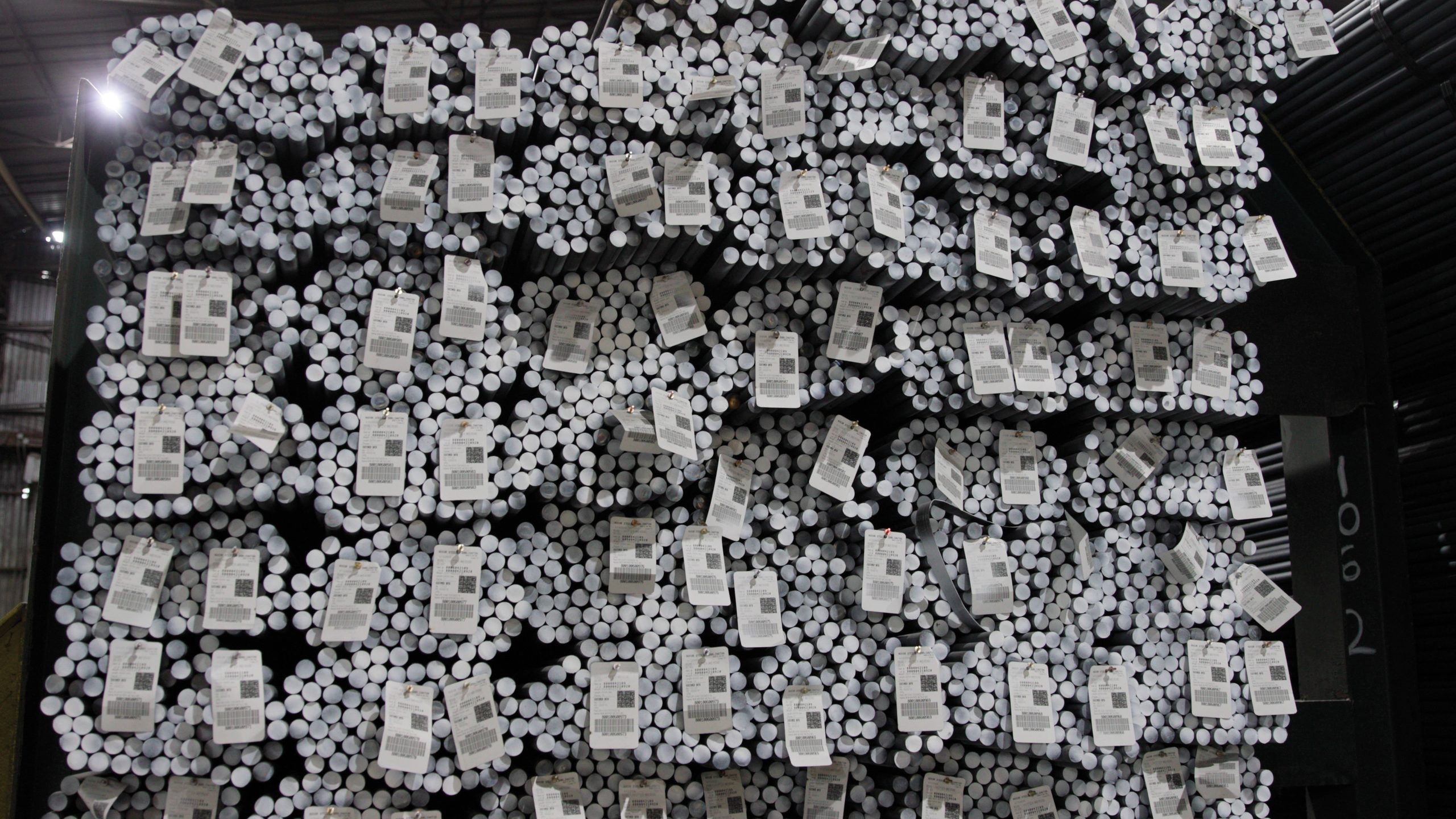
The company enters the cold-finish market with a new mill in Norfolk, Nebraska.
1980
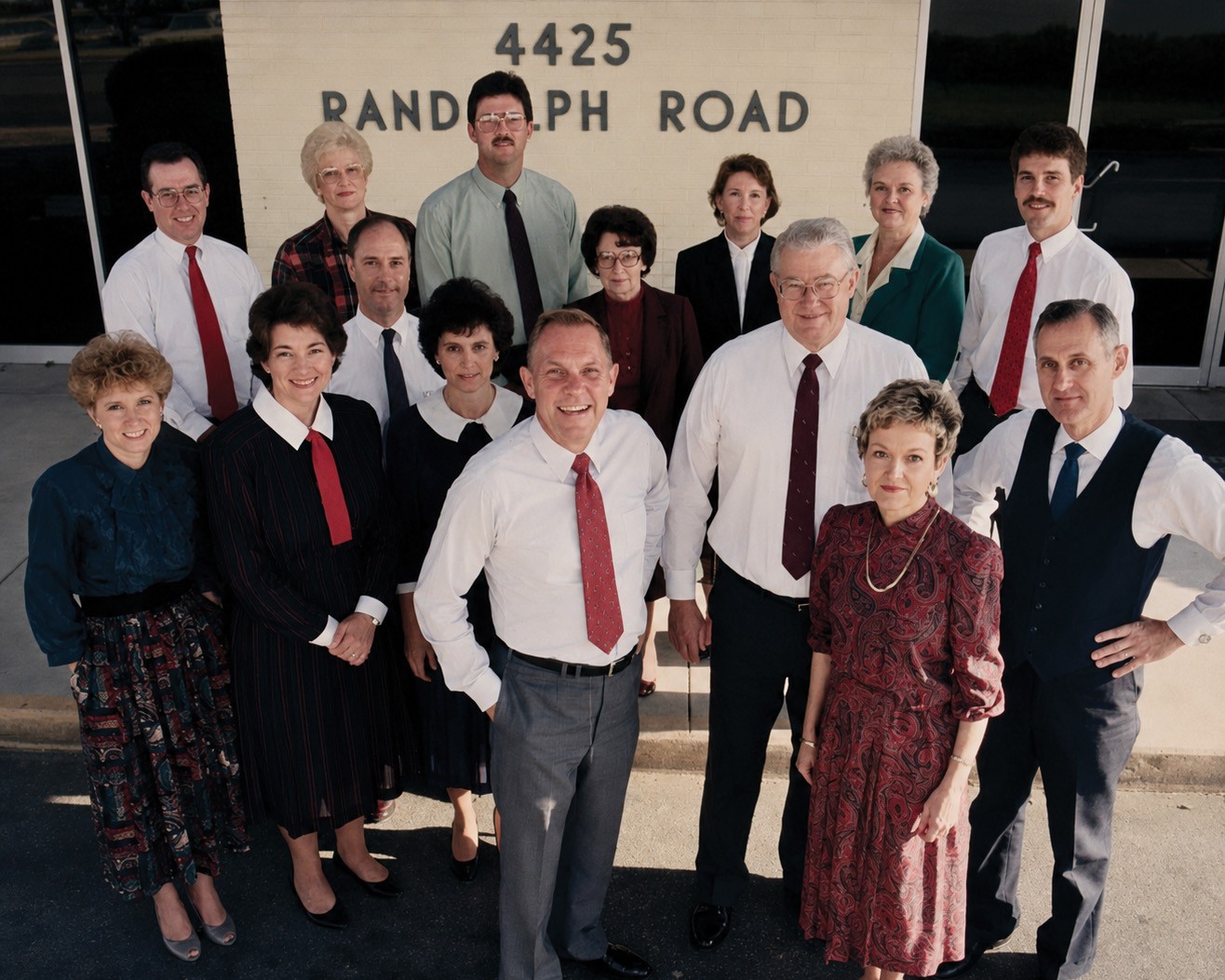
Fortune 500
Nucor breaks into the Fortune 500 and has been climbing ever since.
1981
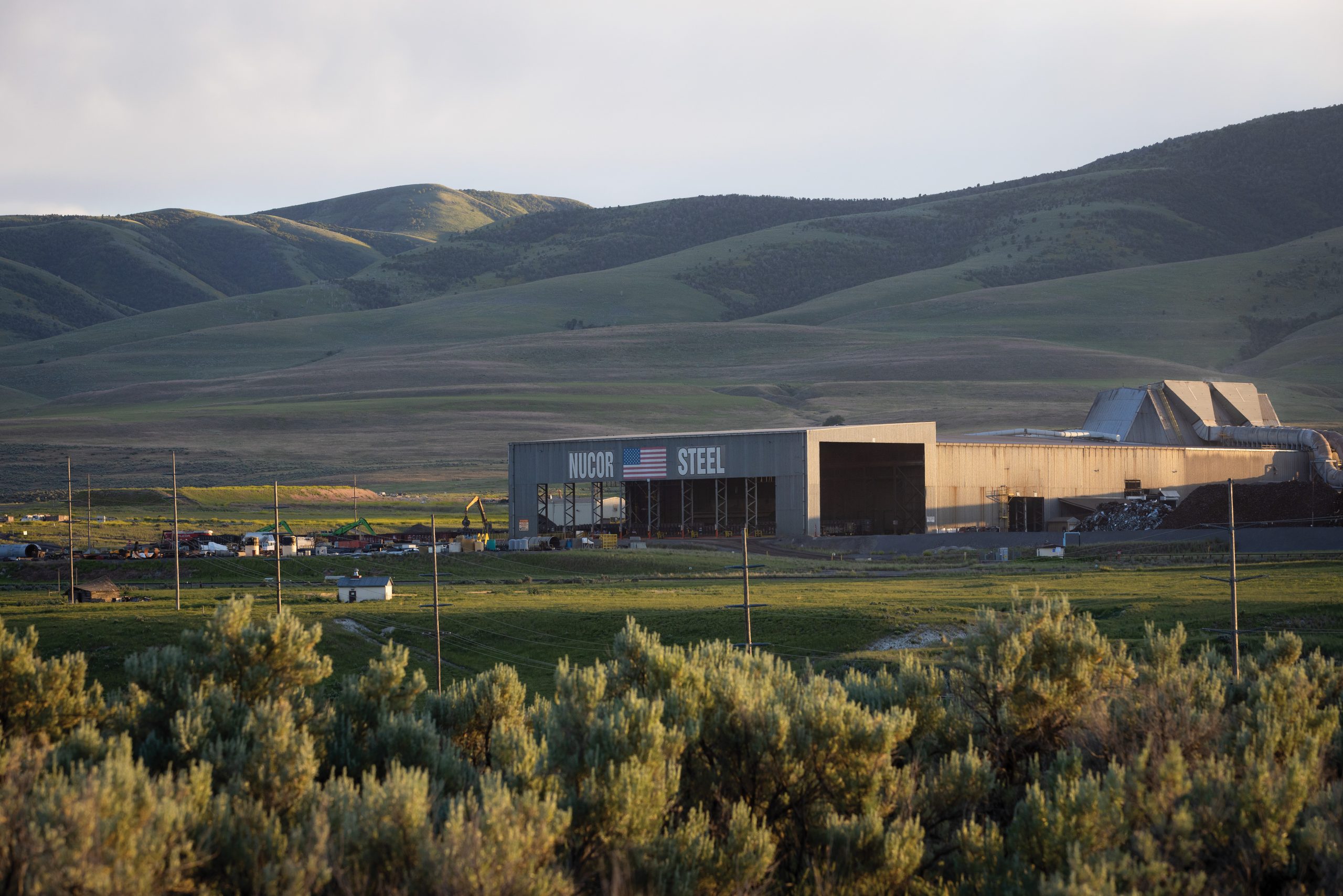
Go West
Nucor begins operating a 400,000-ton-per-year mini mill in Plymouth, Utah. With the company performing well, this fourth mini mill further increases Nucor’s steelmaking capacity and gives it a strong foothold in the West.
1986
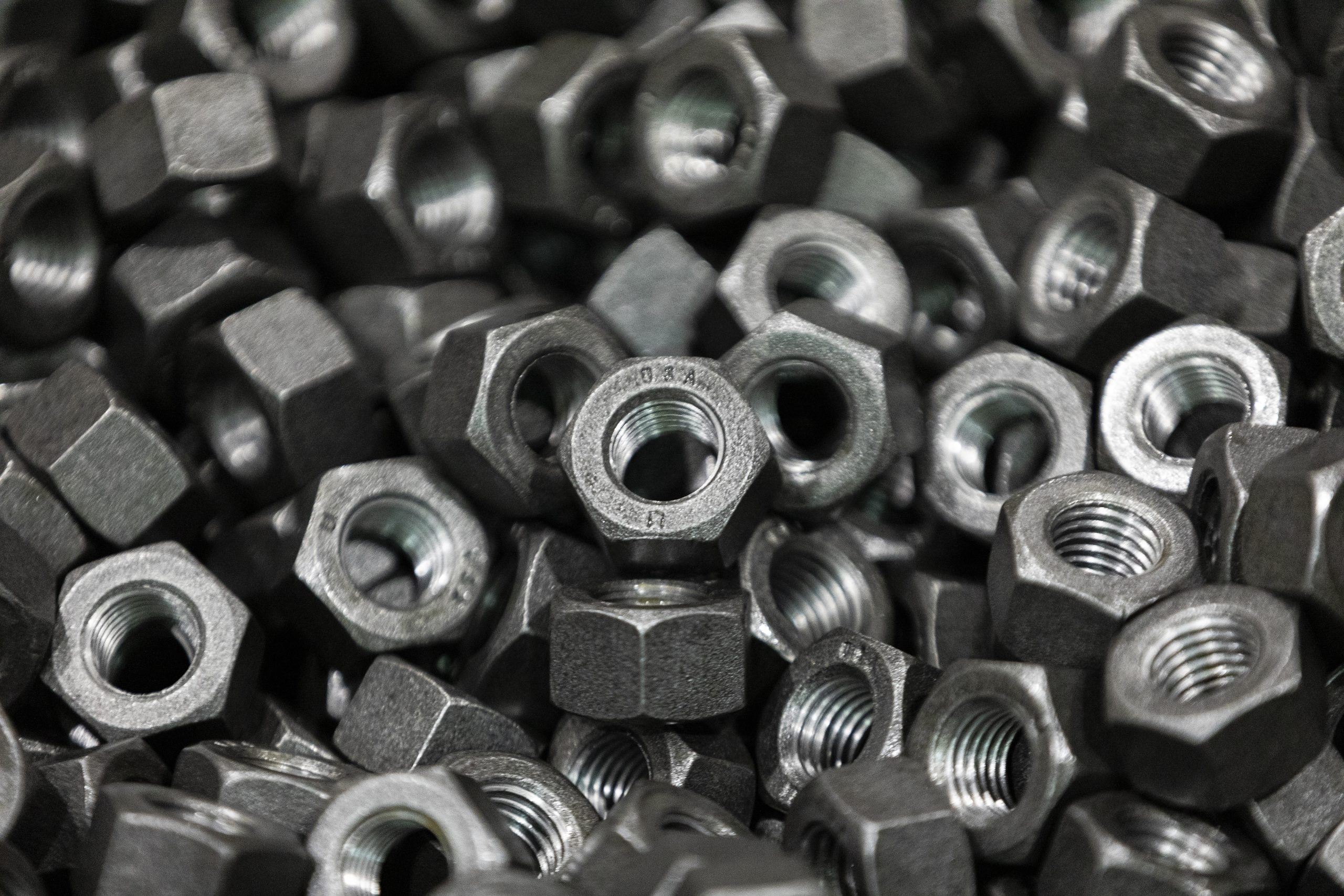
Fasten Up
The company enters the steel fastener market with a new production facility in St. Joe, Indiana.
1987
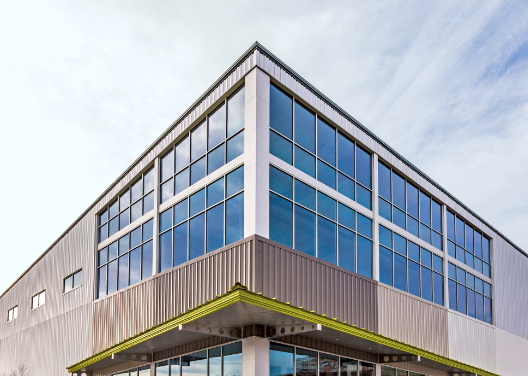
Buildings Group
Nucor Building Systems (NBS) launches operations with a new plant in Waterloo, Indiana, focusing on the design and manufacture of custom-engineered metal building systems. NBS continues to grow through three greenfield startups and acquisitions.
1988
Beaming Business
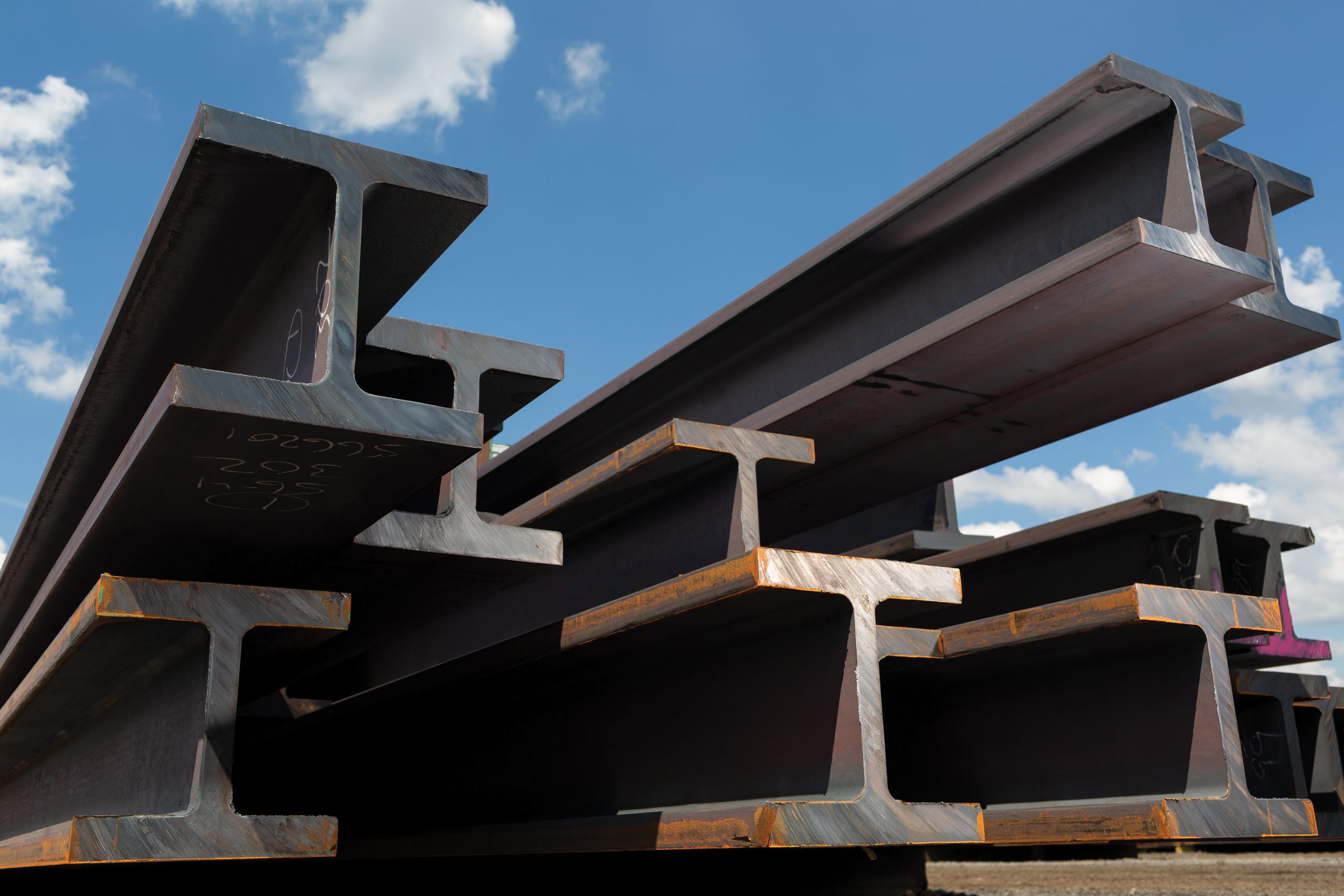
Nucor-Yamato Steel Company forms as a joint venture between Nucor and Yamato Kogyo with the goal of manufacturing wide-flange beams in Blytheville, Arkansas. Today, Nucor-Yamato has the capacity to produce over 2.5 million tons per year of not only wide-flange beams, but a variety of other products and structural shapes.
1992
A World’s First
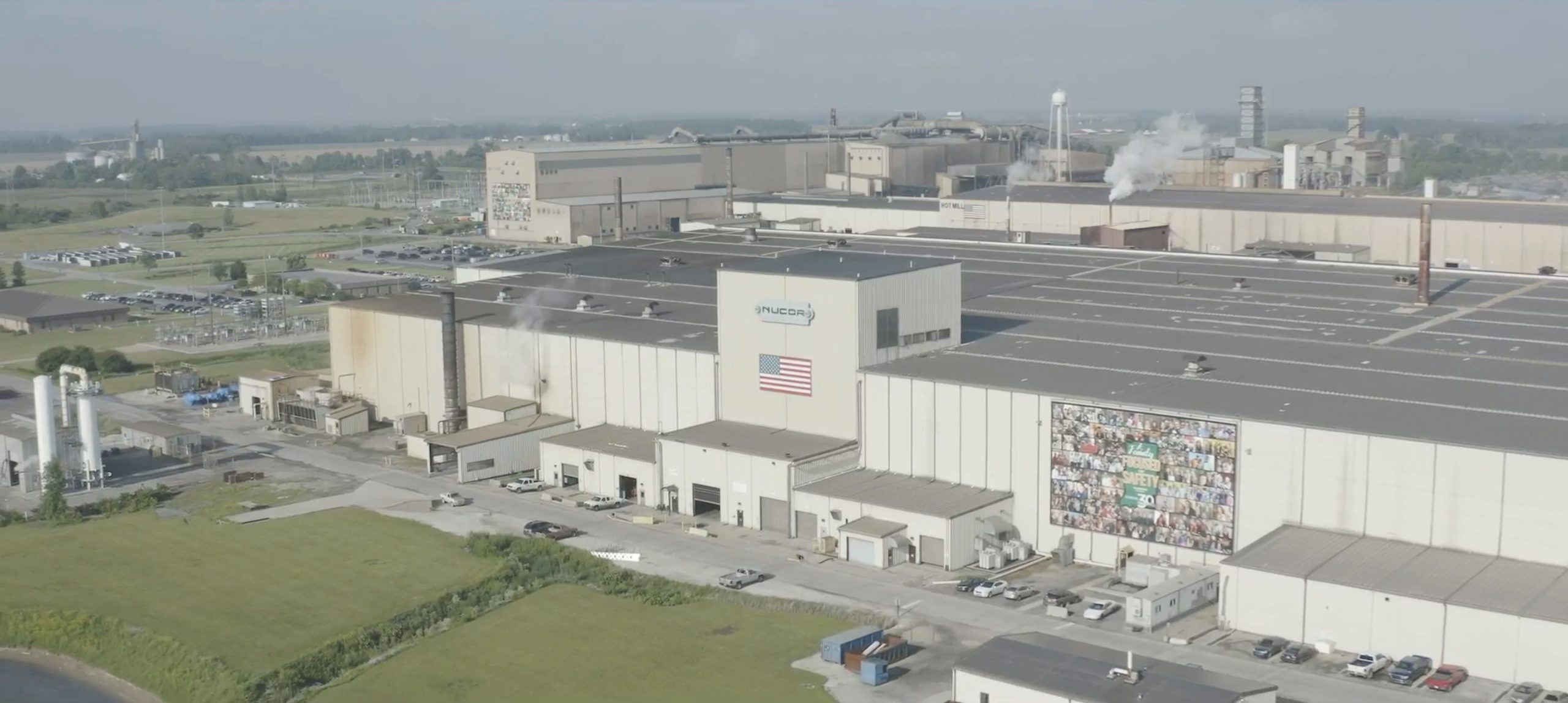
A new era of steelmaking begins when thin-slab technology goes online at the new mini mill in Crawfordsville, Indiana. It is the first mini mill in the world to make quality flat-rolled steel using the technology.
1992
The Land of Steel
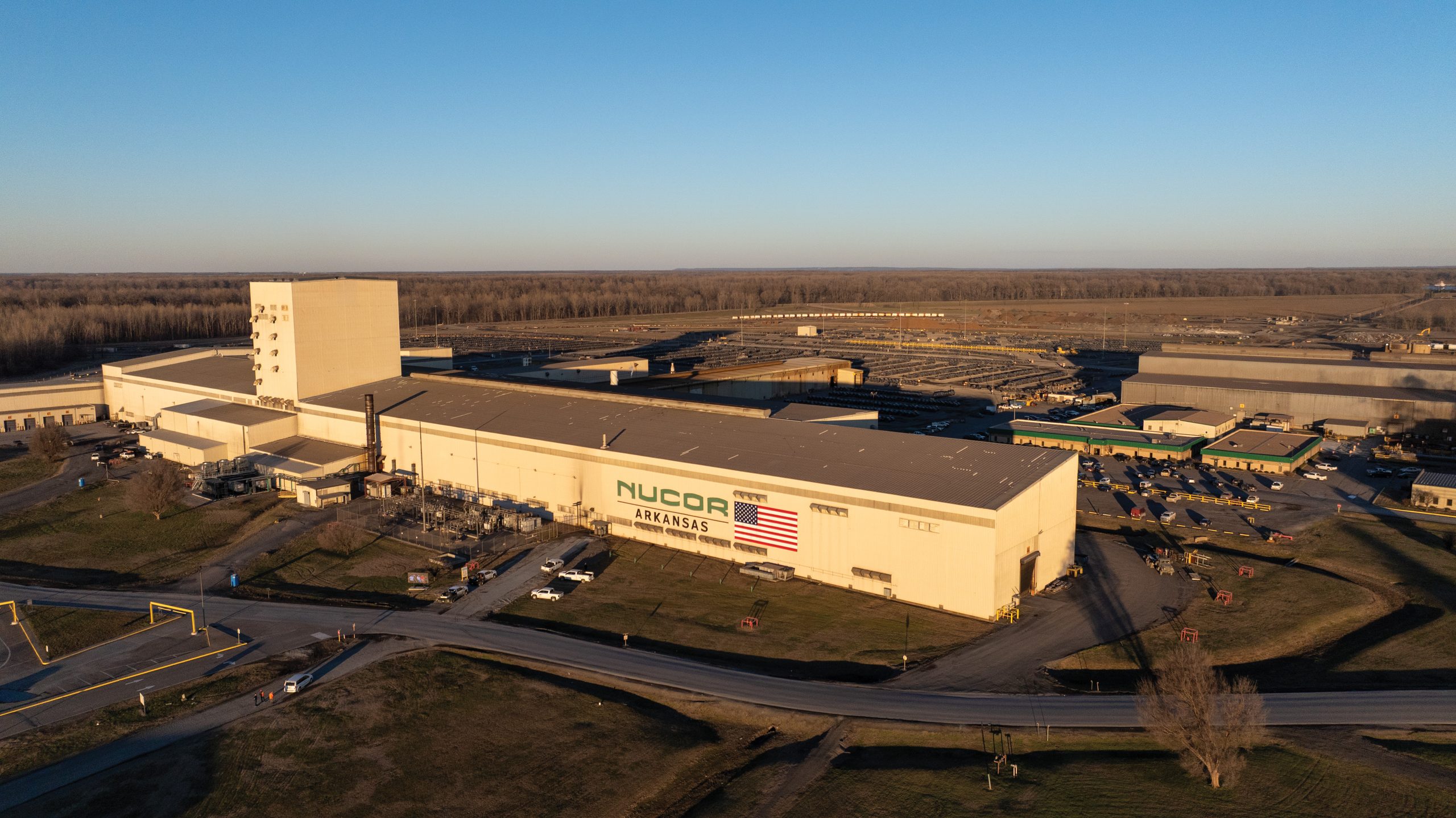
In 1992, after three years of successfully producing sheet using thin-slab technology, Nucor opens a second sheet mill in Hickman, Arkansas, not far from Nucor-Yamato Steel Company. Starting with two large Nucor mills, northeast Arkansas grows into one of the top steel-producing regions in America, commonly called the ‘Land of Steel.’
1996
Racing to the Top
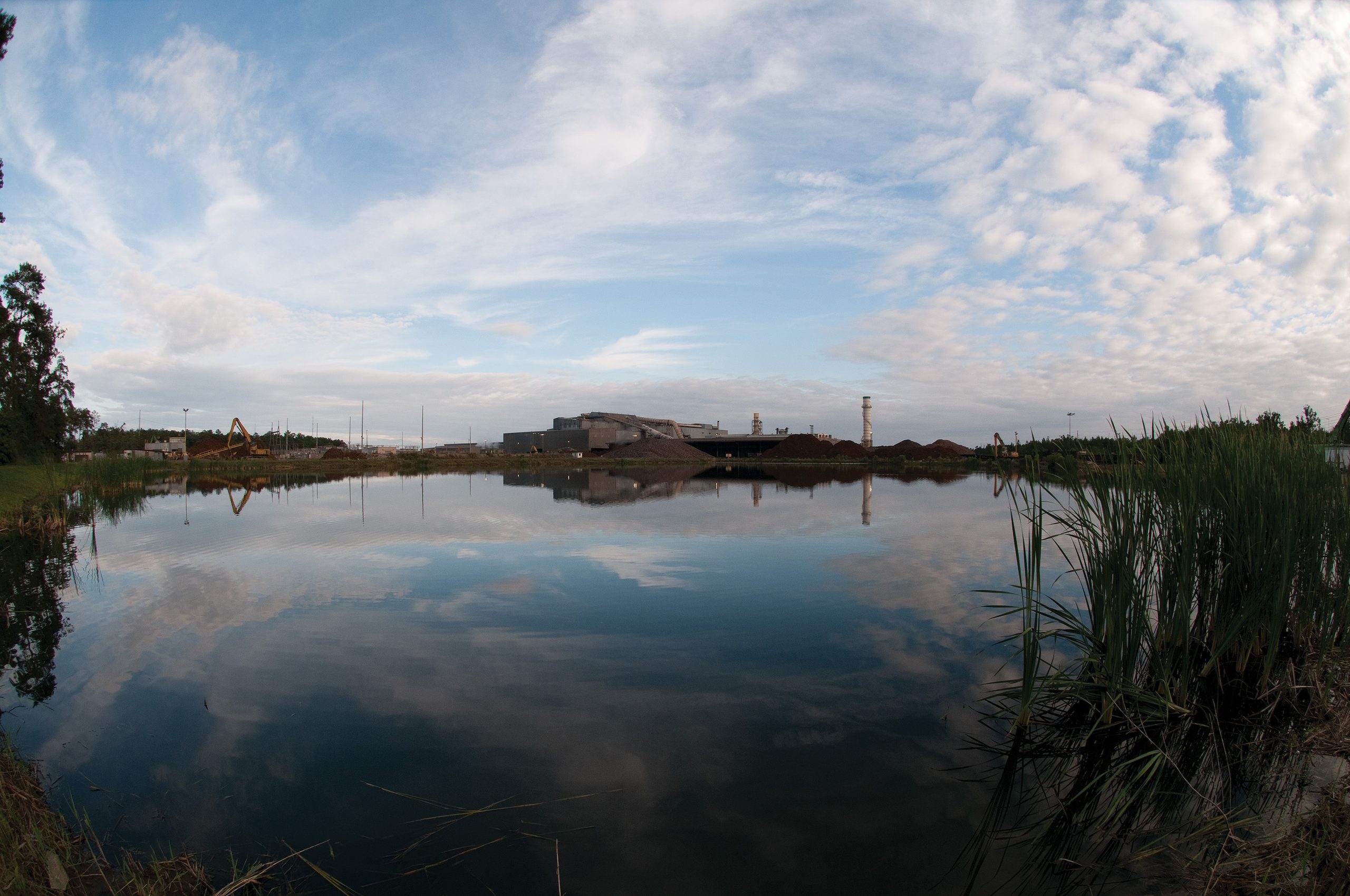
A third sheet mill is added to the company’s portfolio when Nucor Steel Berkeley begins operations in Huger, South Carolina. The next year Nucor announces plans to build a beam mill on the site. With its expansion, Nucor soon passes Bethlehem Steel to become the No. 2 steelmaker in the U.S.
2000
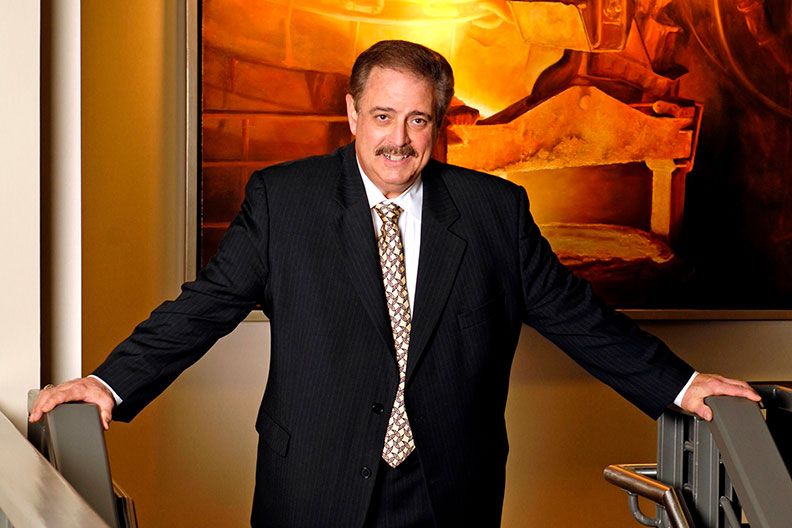
Dan Dimicco Takes the Helm
Dan DiMicco is named the President and CEO of Nucor, succeeding prior CEOs David Aycock (1999-2000) and John Correnti (1996-1999). DiMicco leads the company through a period of strong growth and champions an ongoing fight for fair trade practices to save American jobs and the U.S. manufacturing industry.
2000
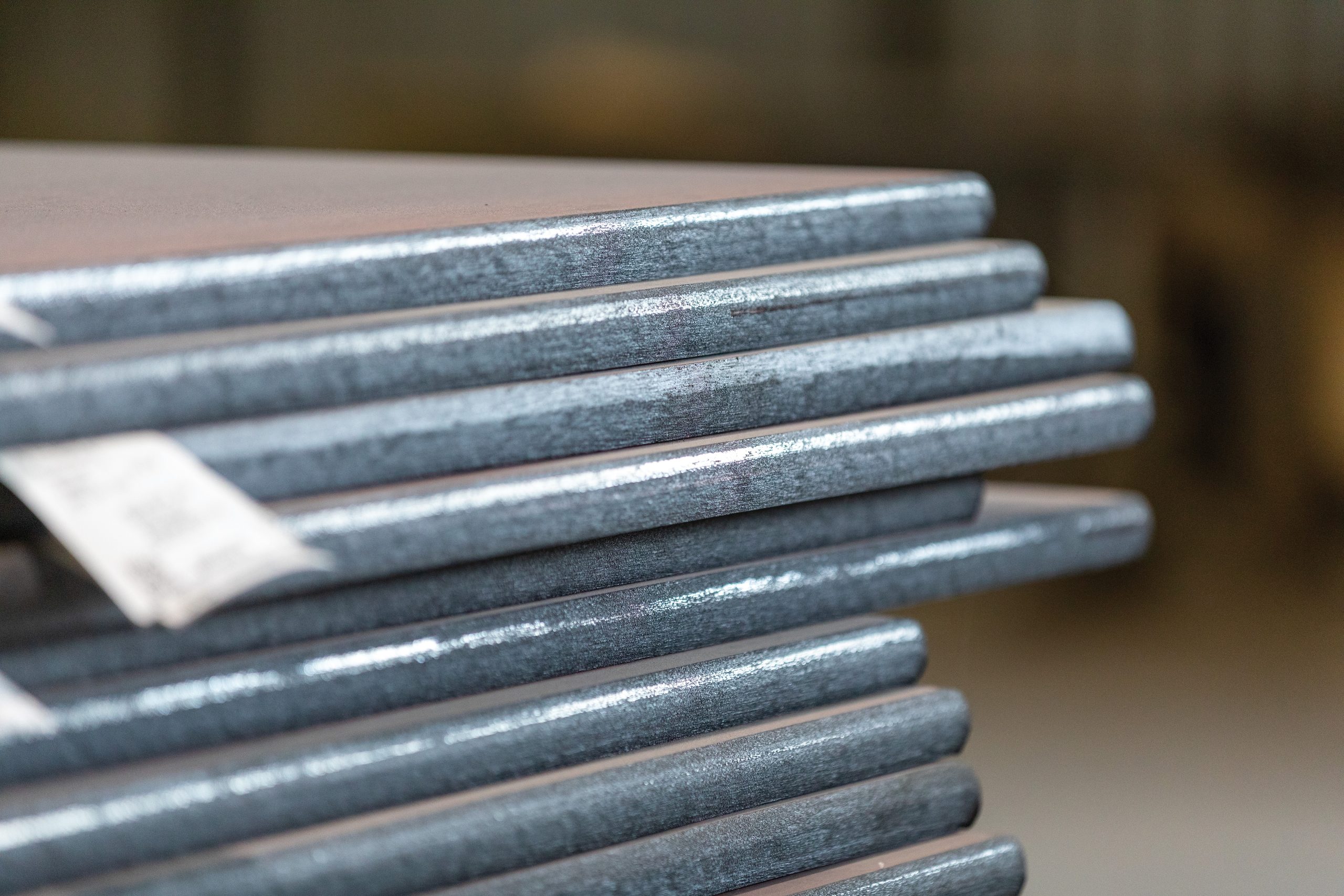
Plate Mill Innovation
The company’s state-of-the-art plate mill in Hertford County, North Carolina, begins operations. Nucor Steel Hertford County, developed on 990 acres along the Chowan River, produces plate for uses ranging from railroad tank cars to armored personnel carriers.
2001
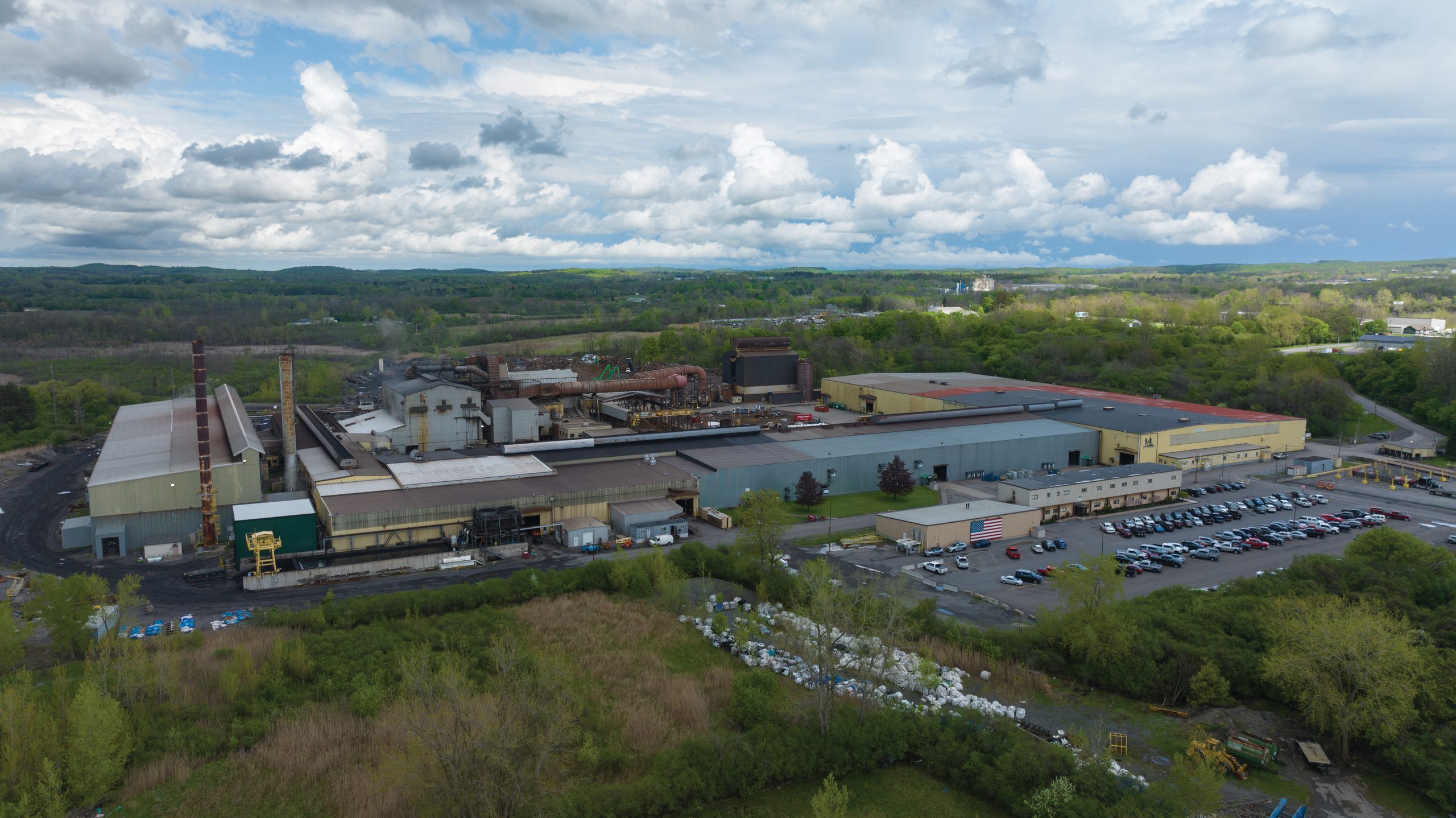
Blazing a New Trail
The acquisition of Auburn Steel, a bar mill in New York, is the company’s first steel mill acquisition in its then 36-year history, heralding a decade of aggressive and strategic growth for the company.
2002
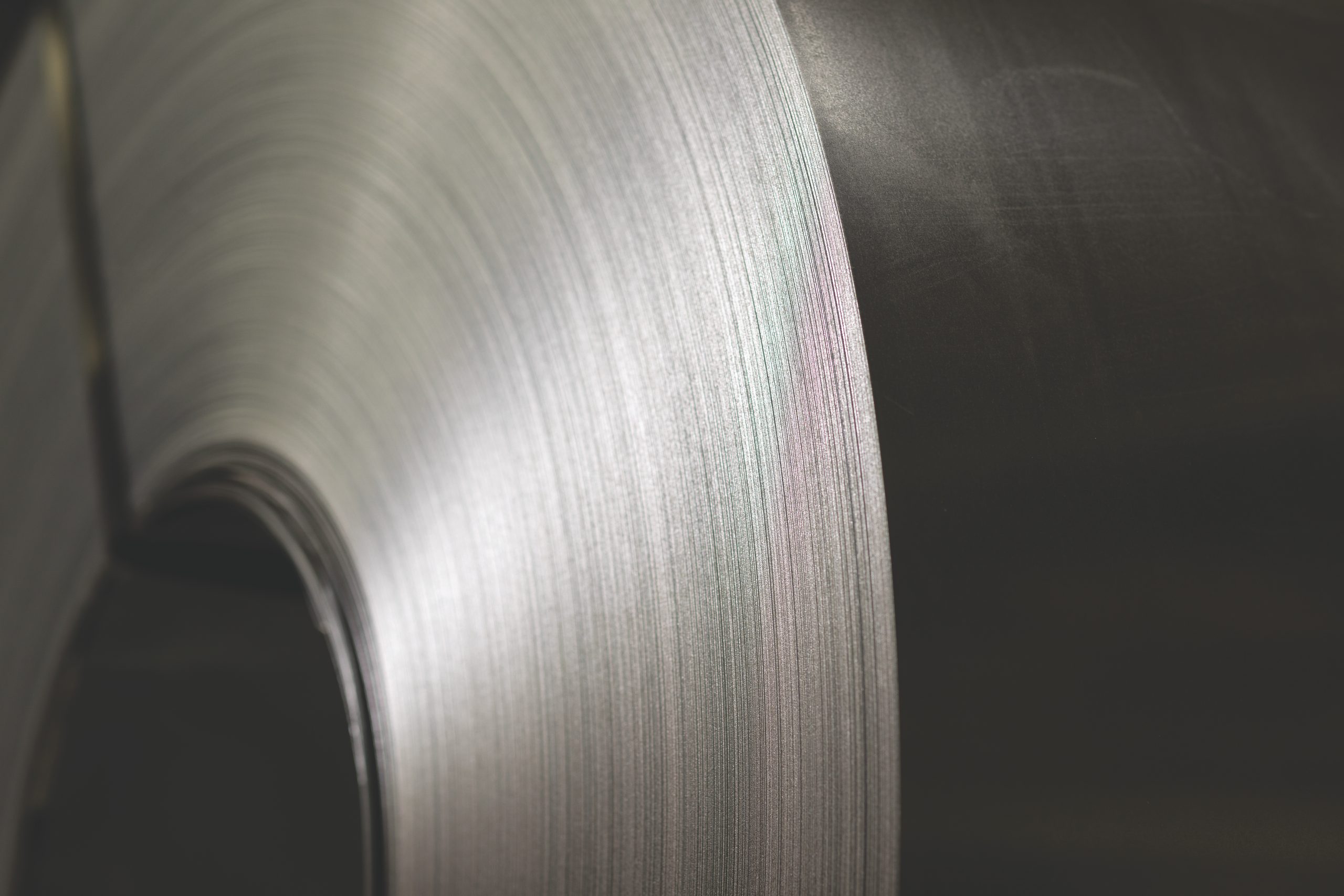
Daring to Reimagine
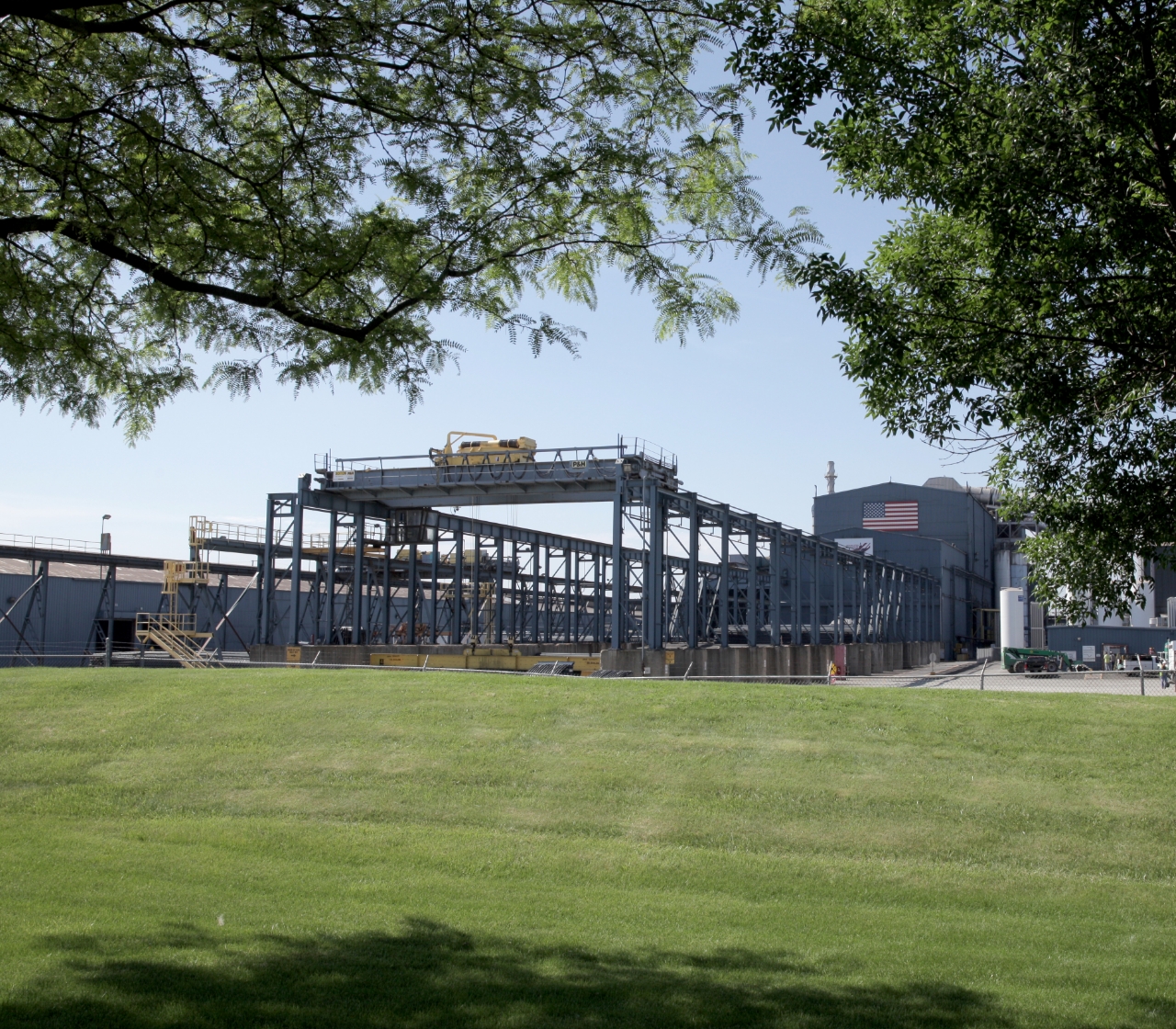
Castrip, LLC goes online in Crawfordsville, Indiana, representing one of Nucor’s most ambitious technological pursuits. The process aimed to cast molten steel directly into sheet steel at or near its final thickness, eliminating the need for large hot and cold rolled reductions. Despite more than two decades of investment and effort, the technology never achieved commercial viability – but the pursuit itself reflected something essential about Nucor: a willingness to chase bold ideas and push the boundaries of what steelmaking could be. Nucor continues to license Castrip internationally, proof that even an unrealized vision can leave a lasting mark.
2002
Gaining Momentum
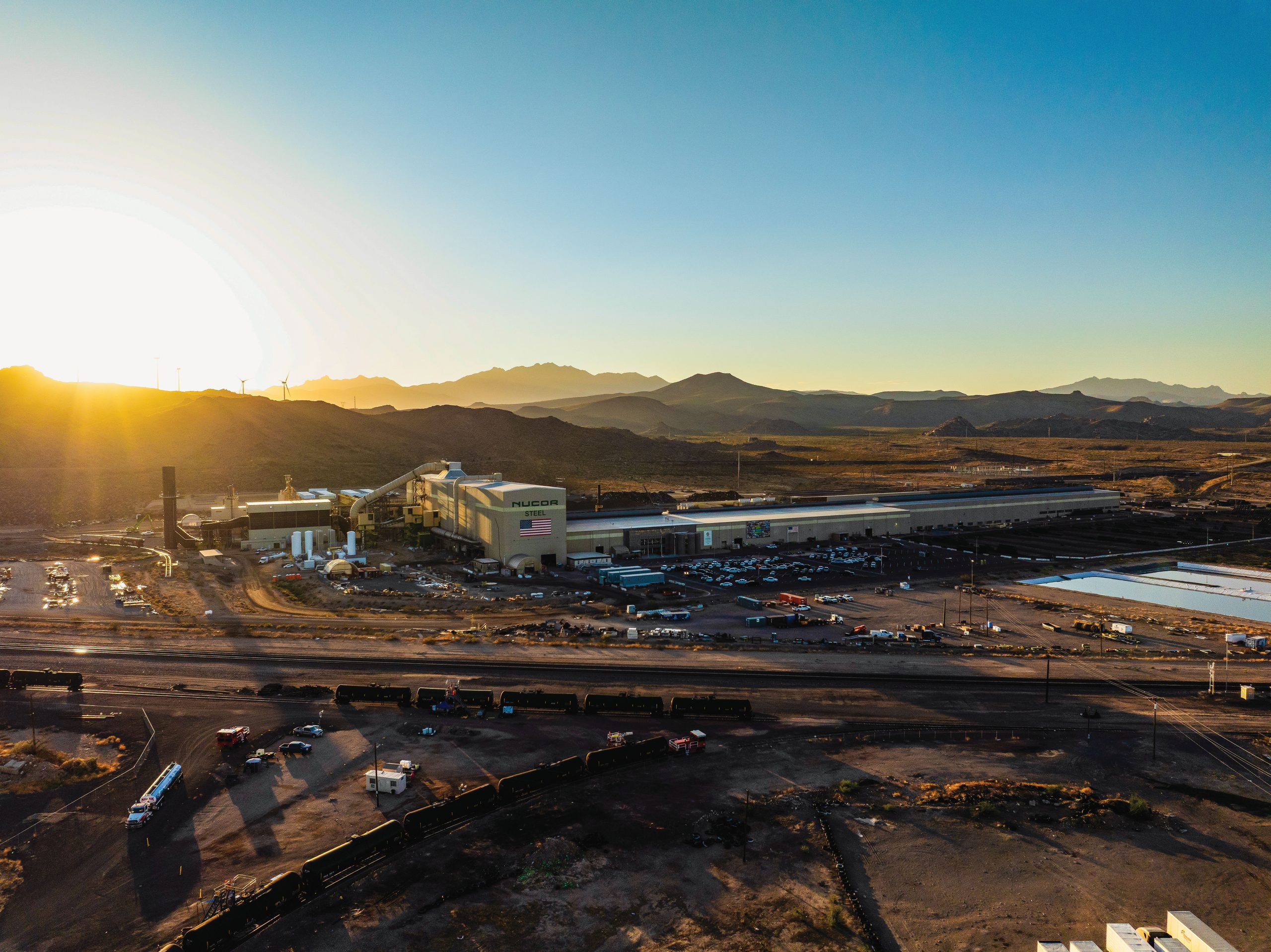
Nucor’s acquisition strategy moves into high gear. In July, Nucor acquires Trico Steel, which becomes Nucor Steel Decatur, LLC. In December, the company acquires Birmingham Steel, resulting in several new Nucor mills: Nucor Steel Kankakee, Inc.; Nucor Steel Jackson, Inc.; Nucor Steel Seattle, Inc.; Nucor Steel Birmingham, Inc.; and Nucor Steel Memphis, Inc.
2003
South By Southwest
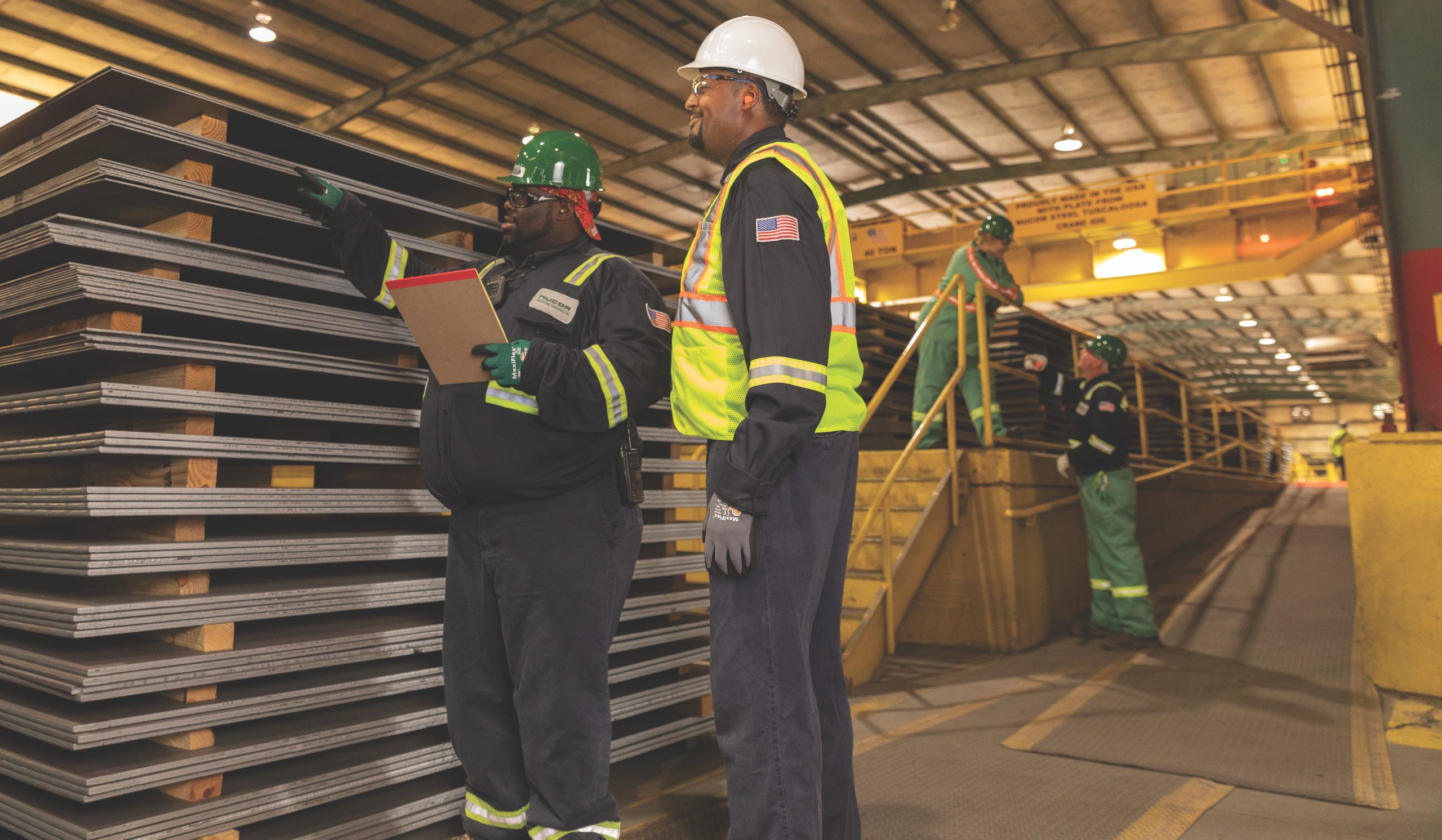
Nucor acquires a North Star Steel mill in Kingman, Arizona, for $35 million. Nucor Steel Kingman, LLC begins operating in 2009, focusing production on rebar and wire rod.
2004
Growing Our Plate Portfolio
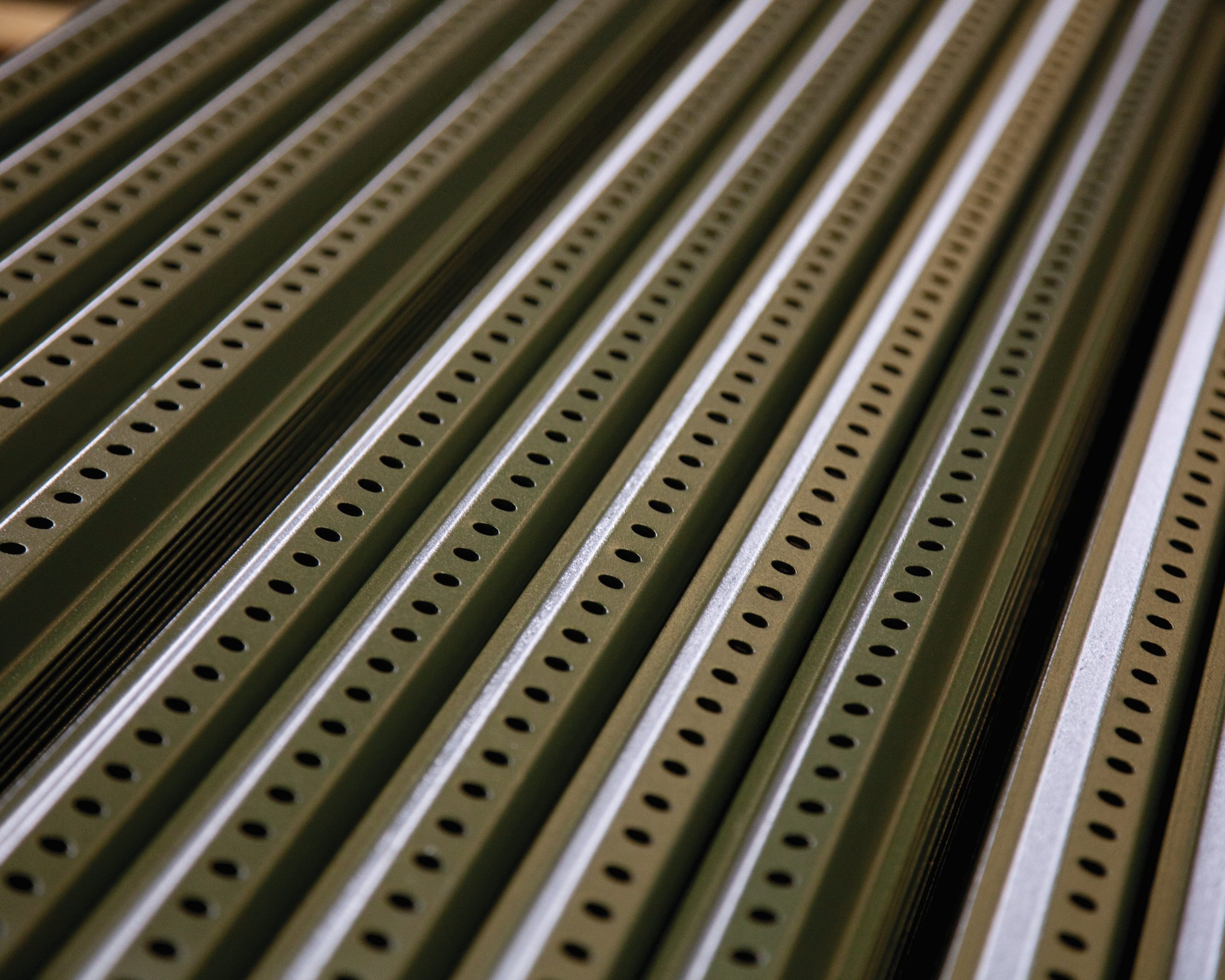
In 2004, Nucor acquires Corus Tuscaloosa, which becomes Nucor Steel Tuscaloosa, Inc., Nucor’s second plate mill.
2005
Expanding In The Midwest
The company’s buying spree continues with the acquisitions of Fort Howard Steel, which becomes Nucor Cold Finish Wisconsin, Inc., and Marion Steel in Ohio, which becomes Nucor Steel Marion, Inc.
2006
Taking Control
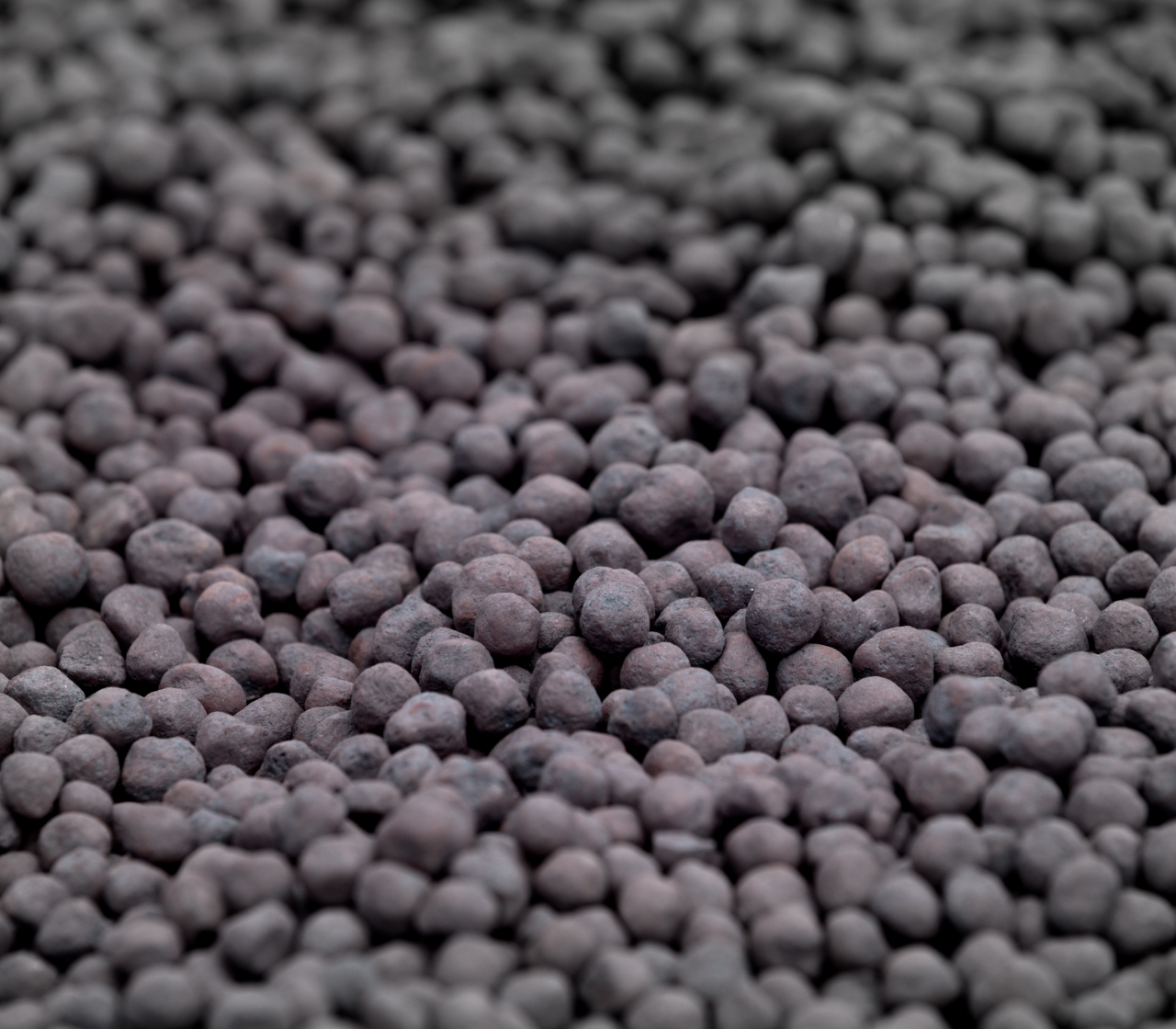
Production of direct reduced iron (DRI) begins at the innovative Nu-Iron Unlimited facility in Point Lisas, Trinidad, signaling a shift to DRI as an alternative to scrap.
Nucor acquires Verco Manufacturing Co., adding to the downstream portfolio. Nucor also purchases Connecticut Steel and renames the mill Nucor Steel Connecticut, Inc.
2007
Casting Downstream
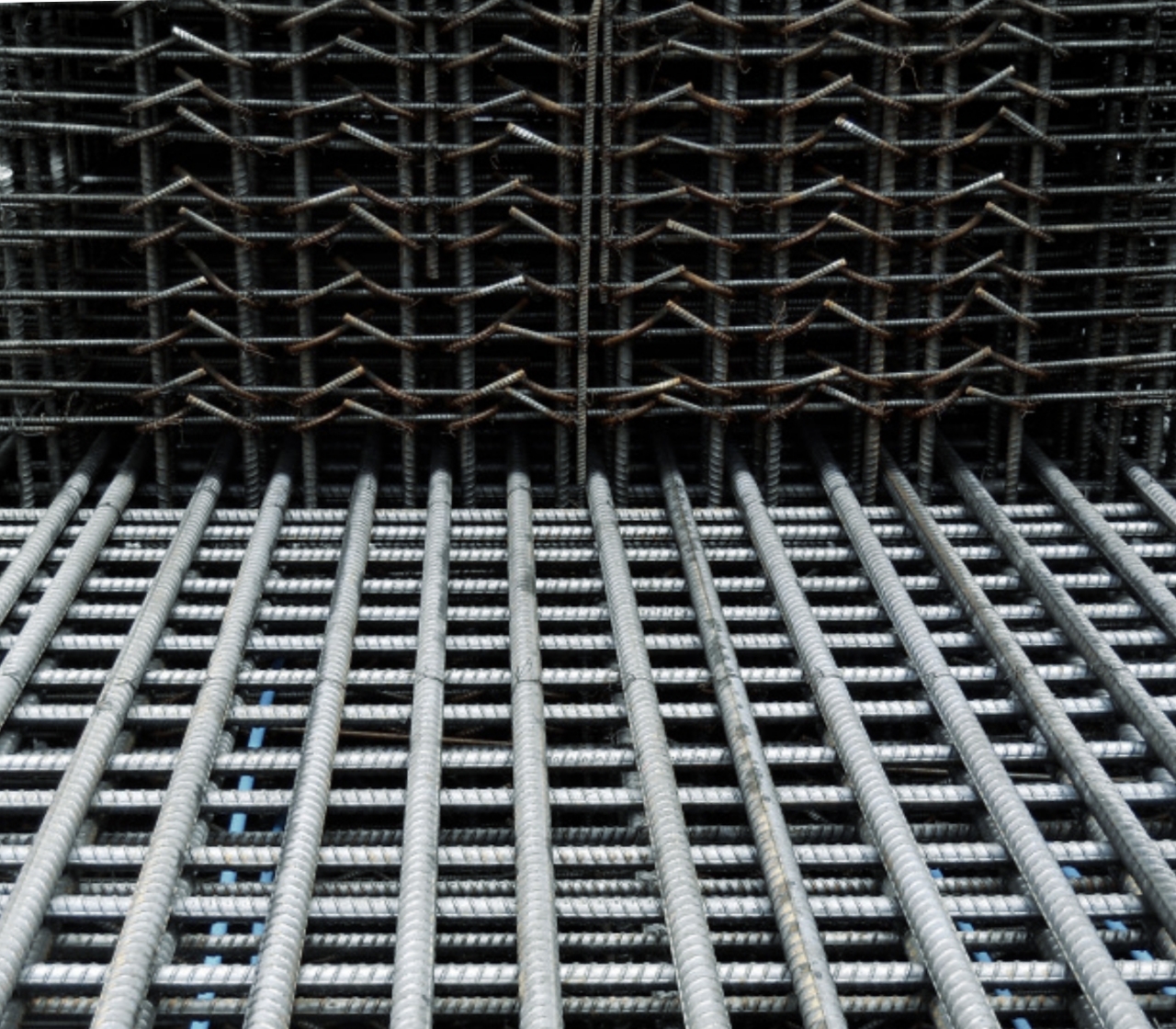
The $1.07 billion acquisition of Harris Steel Group provides entry into the rebar fabrication market, significantly expanding Nucor’s North American footprint and providing downstream growth opportunities.
2008
It’s All About the Scrap
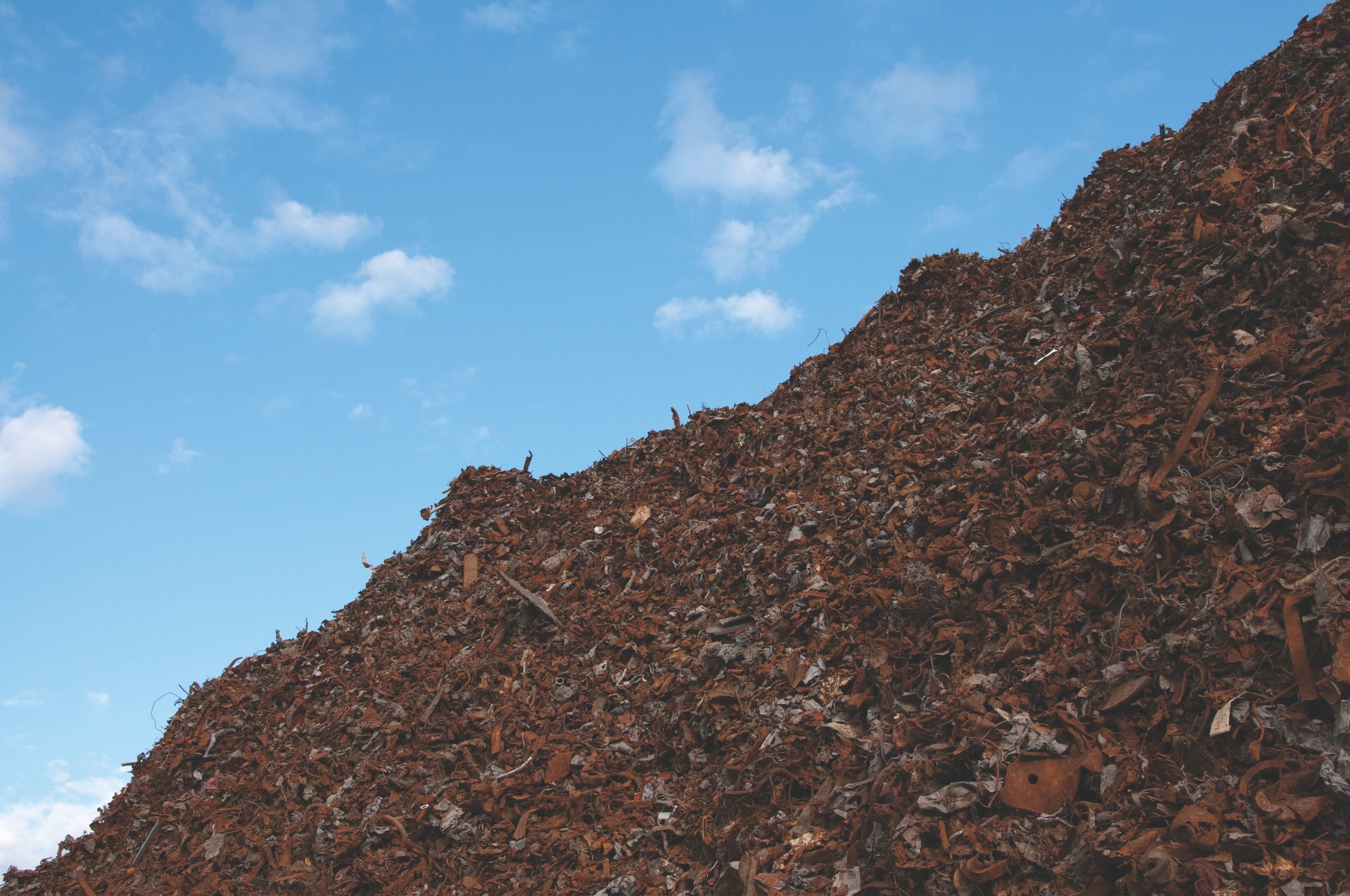
Nucor acquires The David J. Joseph Company, one of the nation’s largest scrap processors and brokers. The acquisition provides Nucor further control of its raw material supply, especially scrap steel, which makes up 75 to 90 percent of the material used to recycle steel.
2010
Venturing Into Sheet Processing
Nucor announces a joint venture with Mitsui & Co. to create NuMit, LLC. The venture includes Steel Technologies LLC, which operates sheet steel processing facilities throughout North America, transforming flat-rolled steel into products for the automotive, agricultural and consumer goods markets.
2012
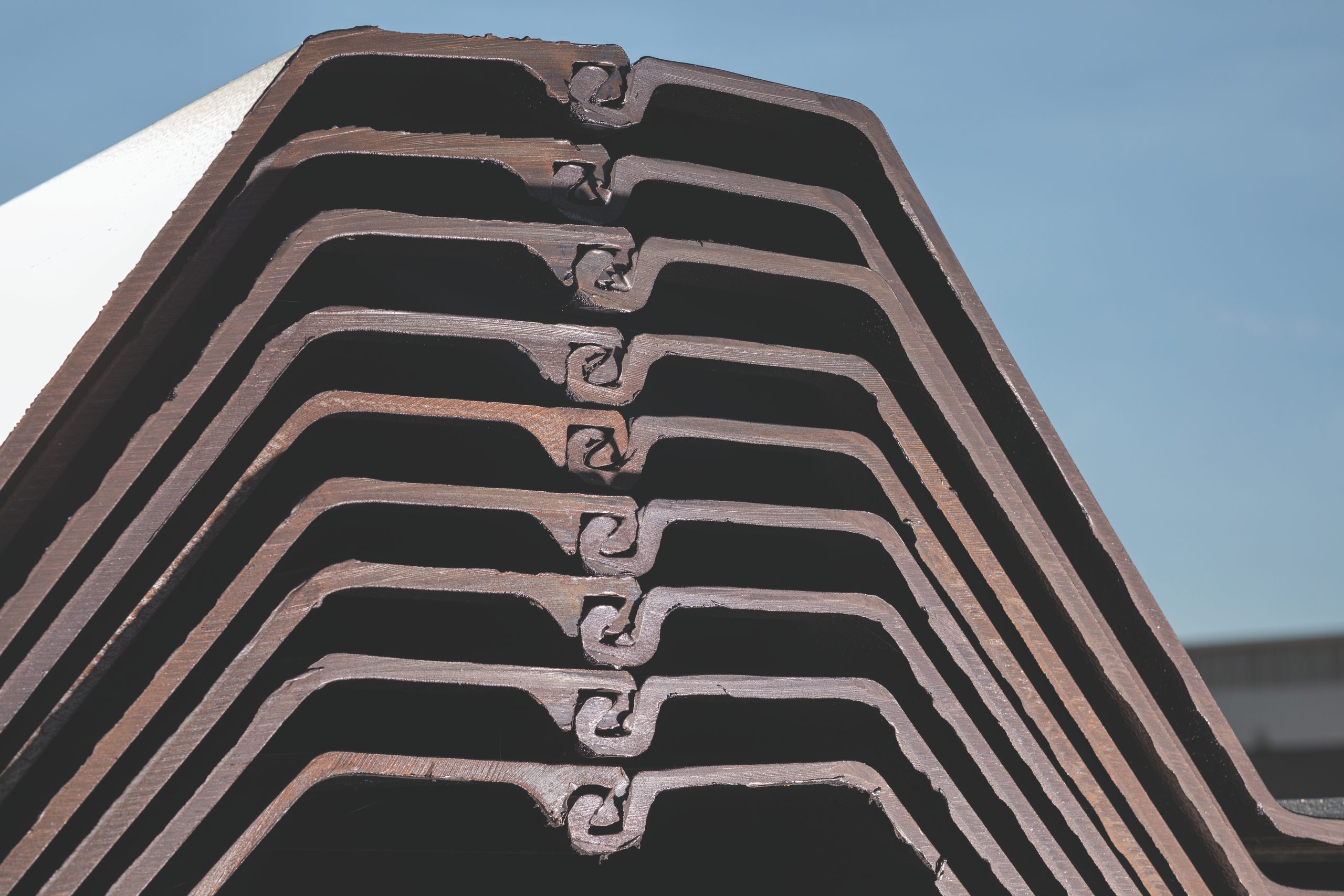
Piling On
The company acquires Skyline Steel LLC, a leading piling and distribution company, expanding the company’s capabilities to service customers in the steel sheet piling market.
2013
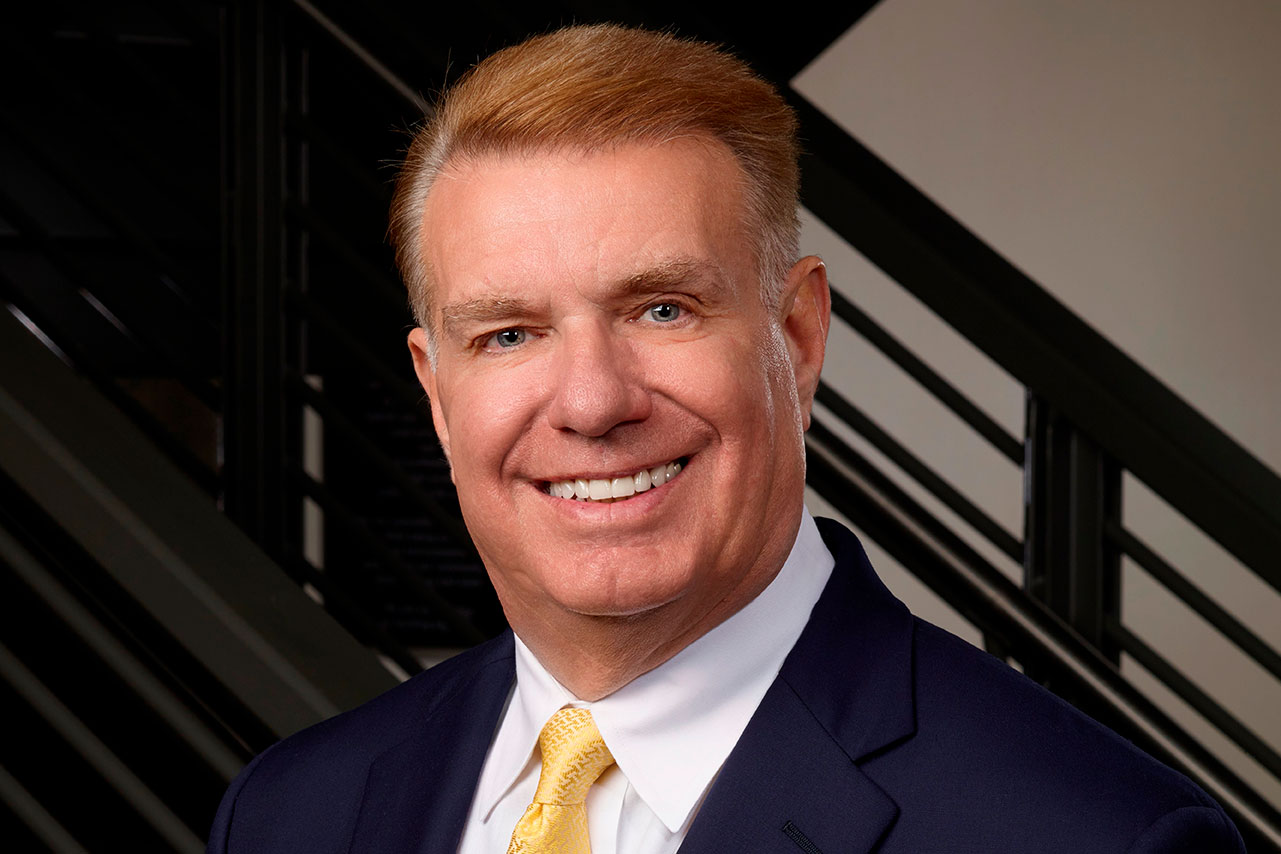
John J. Ferriola Named CEO
John J. Ferriola assumes the role of President and CEO, succeeding Dan DiMicco. The next year, Ferriola adds the responsibilities of Executive Chair.
2014
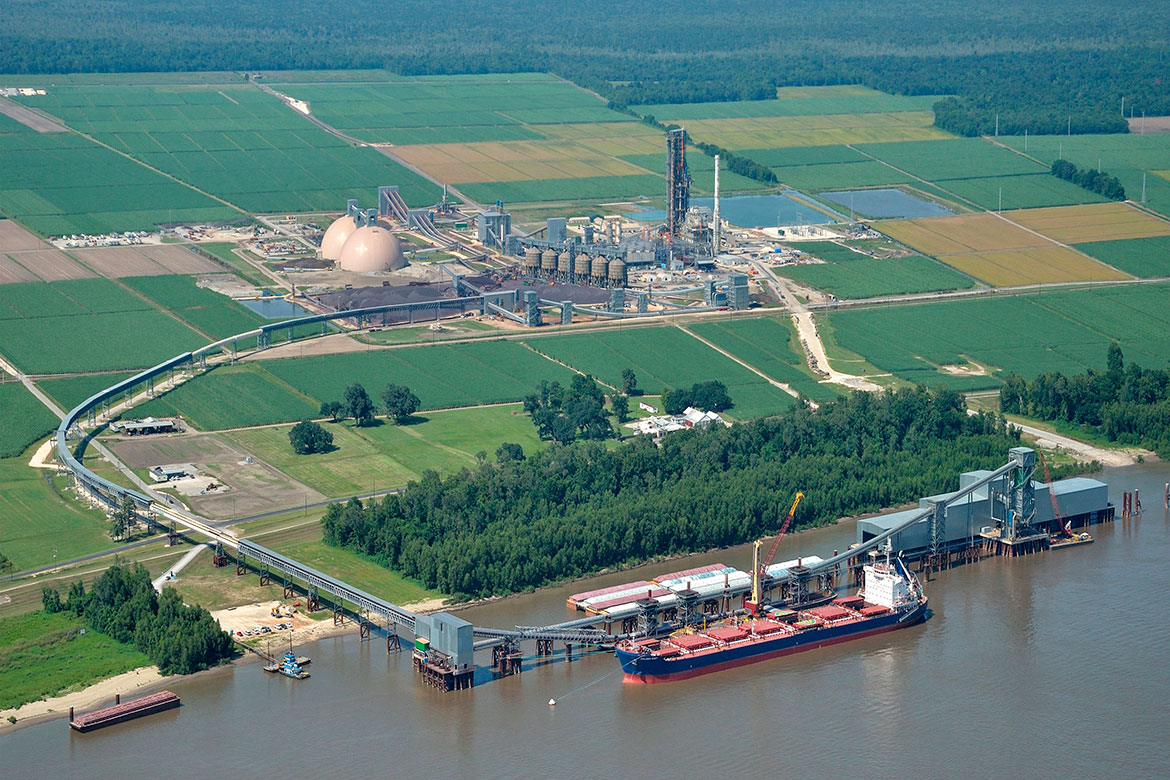
Domestic DRI
Nucor’s $750 million DRI plant in St. James Parish, Louisiana becomes fully operational, making it one of the largest DRI facilities in the world and the first in the U.S. since 2009.
Production of DRI gives Nucor greater flexibility to respond to increases and volatility in raw materials prices.
2014
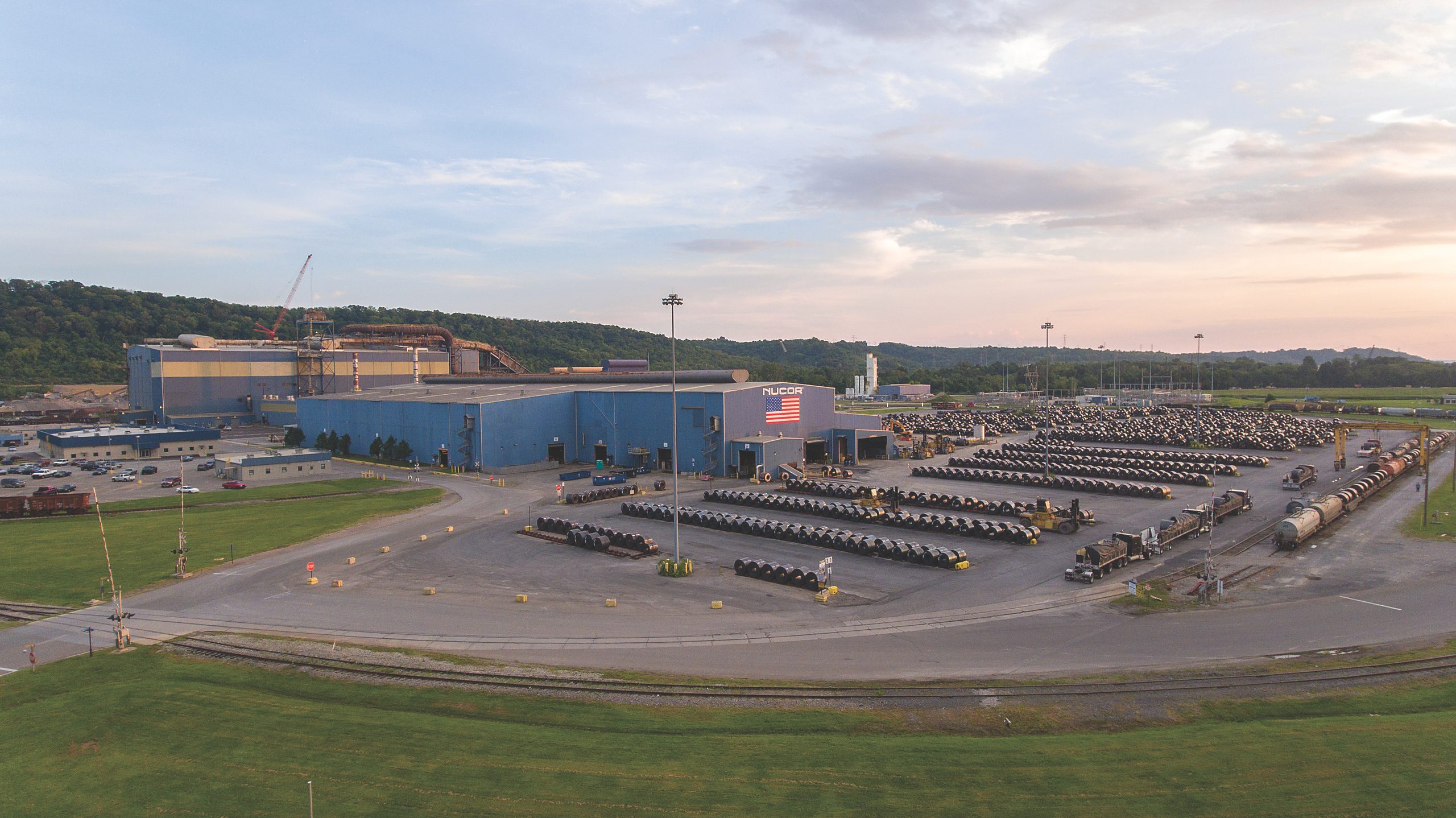
Adding Flat-Rolled Capacity
Nucor purchases Gallatin Steel, a flat-rolled mill in Ghent, Kentucky. The acquisition expands Nucor’s flat-rolled capacity and strengthens the company’s footprint in the Midwest.
2016
Focused On Profitable Growth
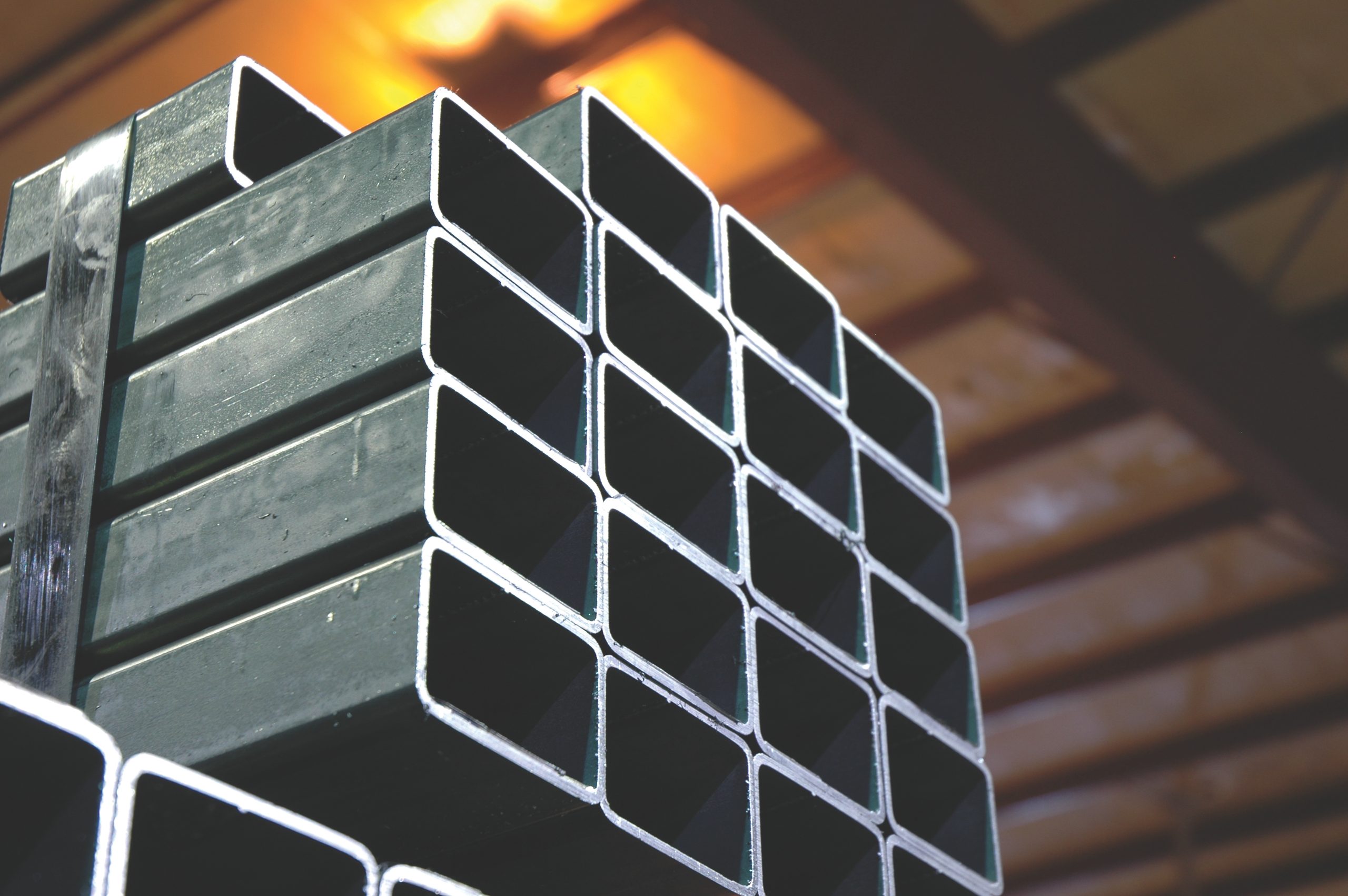
Nucor continues to execute its strategy for profitable growth. The company acquires a plate mill in Longview, Texas, and announces a joint venture with JFE Steel Corporation of Japan to build a plant in central Mexico to supply that country’s growing automotive market. Nucor also moves boldly into the steel tubing market, adding over a million tons of capacity with the acquisition of Independence Tube Corporation, Southland Tube Incorporated and Republic Conduit.
2018
Anything But Ordinary
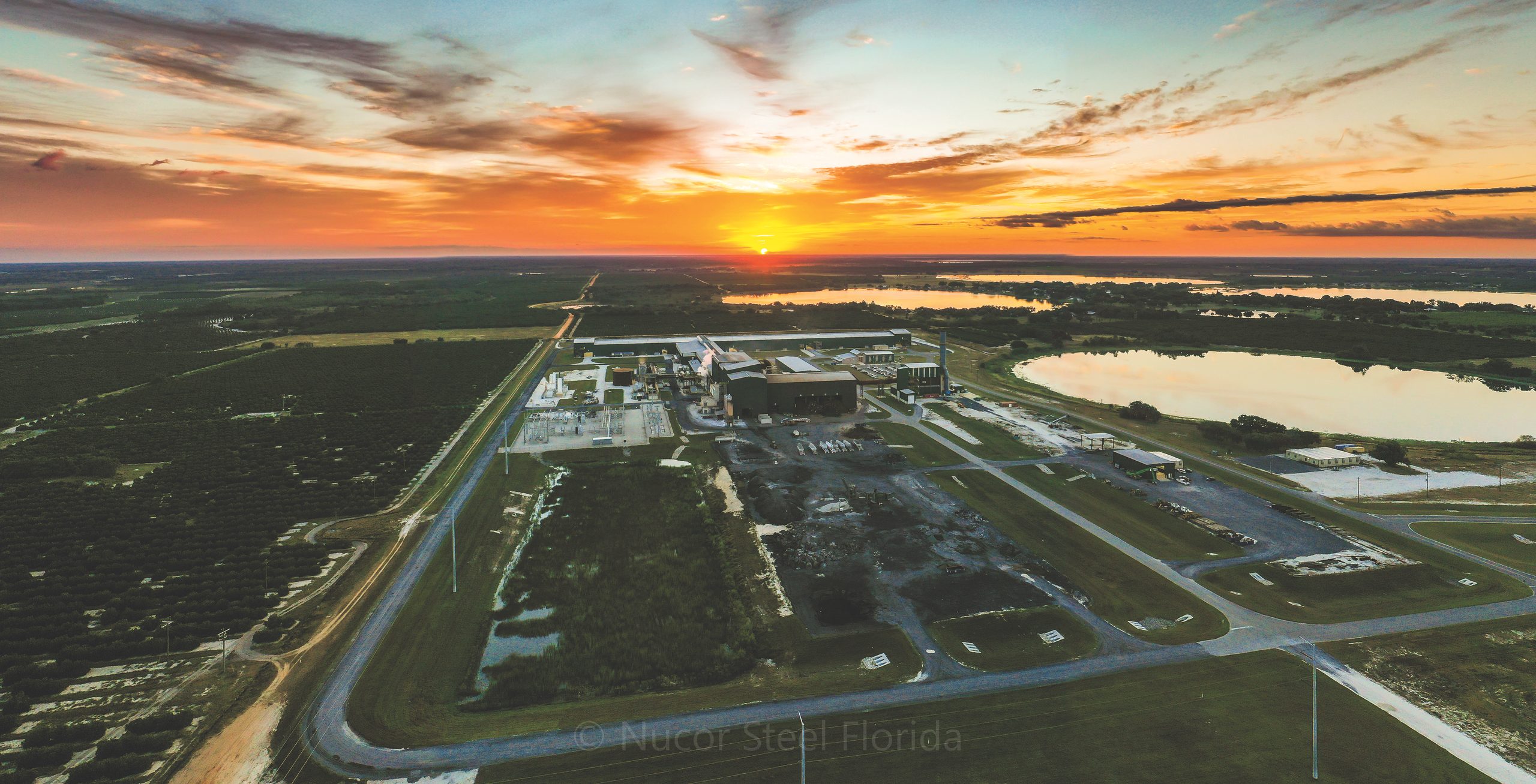
The company sets a new earnings record of $2.36 billion and $7.42 per share, triggering an “Extraordinary Bonus” for teammates. From 2017-2018, Nucor announces over $2 billion in planned capital investments, including the construction of rebar mills in Florida and Missouri, and major expansions and upgrades at existing mills.
2020
New Decade. New Challenge.
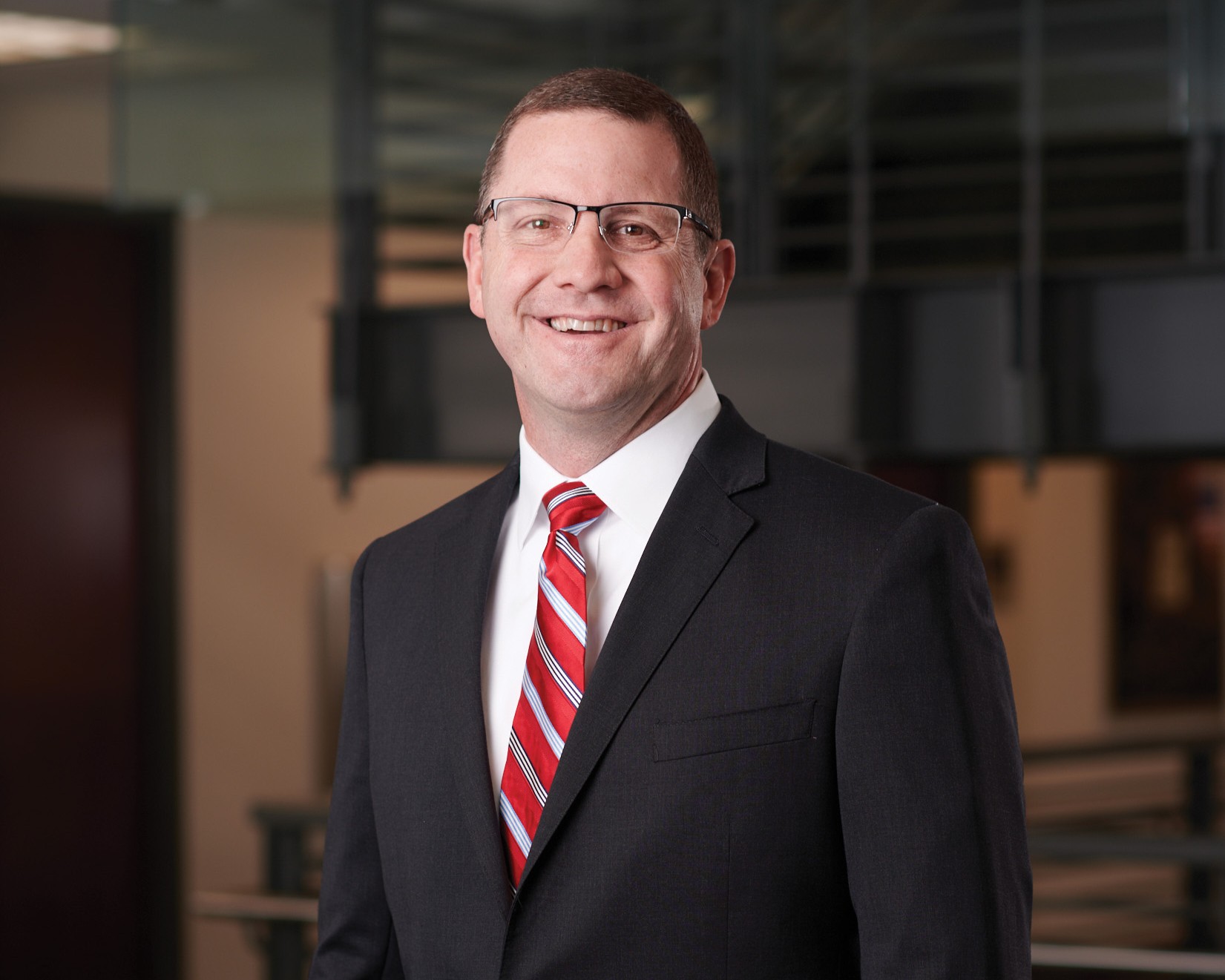
Leon J. Topalian is named President and CEO and introduces a new mission statement—Grow the Core, Expand Beyond, Live Our Culture—along with a bold goal to become the world’s safest steel company. The Nucor Challenge Coin is introduced and distributed to all 27,000 team members during the first-ever Nucor Team Hall.
2021
A Focus On Sustainable Steel
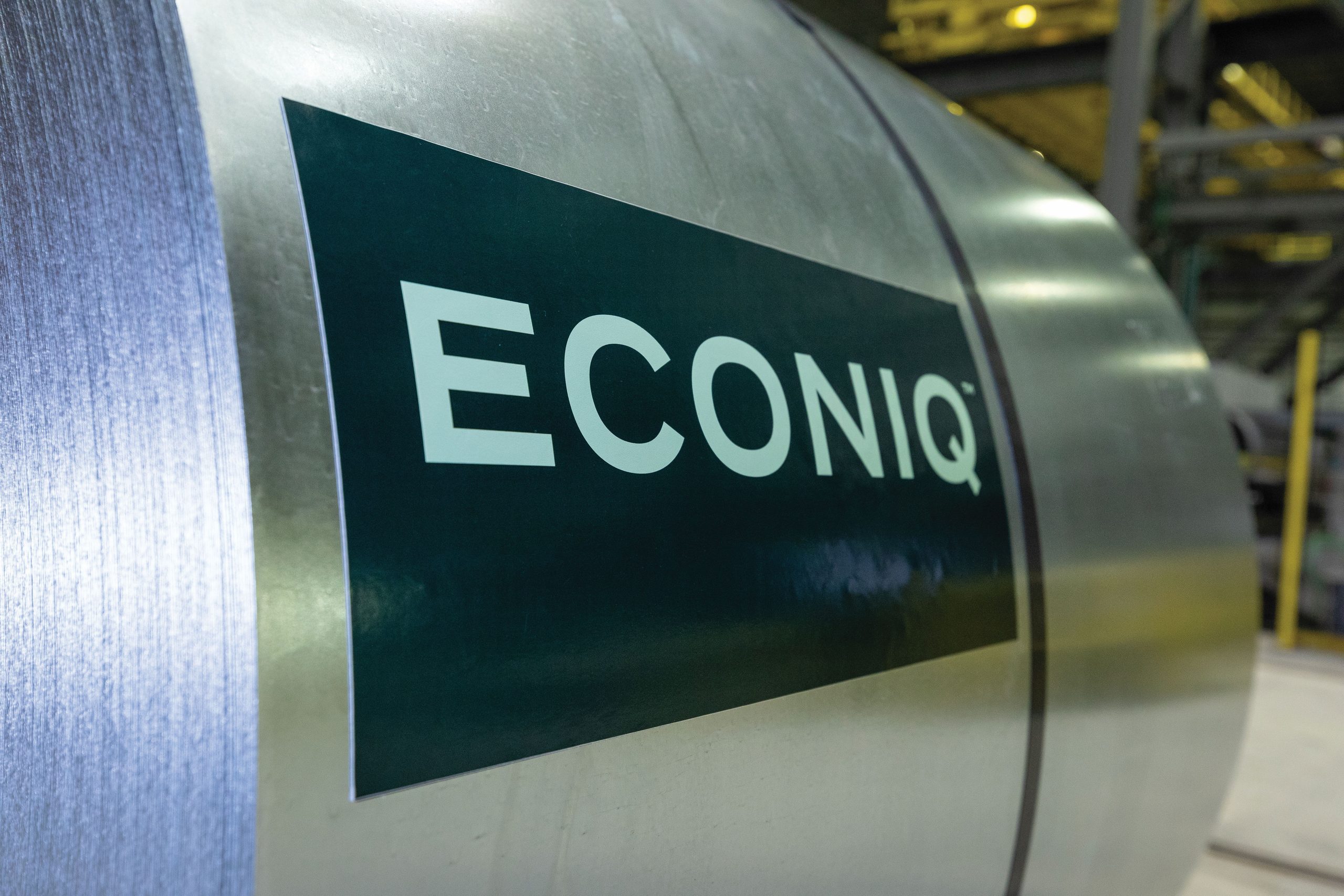
Nucor sets a 2030 target to reduce GHG intensity at its steel mills by 35%, bringing emissions to 77% below the global average. Nucor expands its product line with the acquisition of Hannibal Industries, CENTRIA, and Metl-Span, forming the Nucor Insulated Panel Group. Nucor launches ECONIQ—the world’s first net-zero carbon steel at scale.
2022
Breaking Records & Expanding Beyond
In a landmark year, Nucor achieves its highest profitability and best safety performance in the company’s history, returning $1 billion in profit sharing to teammates and marking 50 years of NYSE. The company extends its reach into steel-adjacent markets – adding C.H.I. Overhead Doors and Elite Storage Solutions – and establishes its Towers & Structures business unit with the acquisition of Summit Utility Structures. Nucor also deepens its core operations by acquiring majority ownership in California Steel Industries with JFE.
2023
Another Year Of Firsts
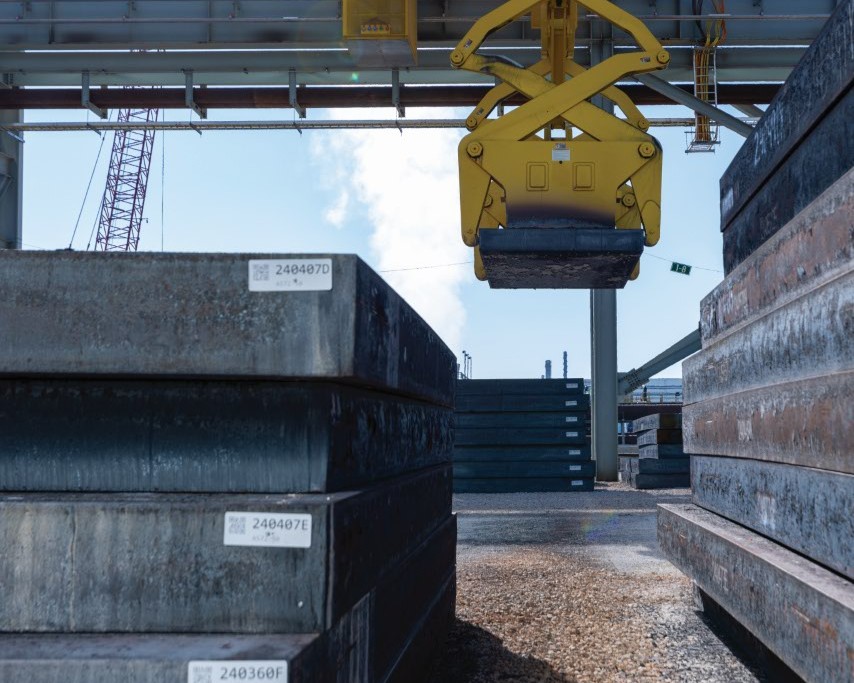
Nucor Steel Brandenburg rolls its first plate, becoming the only U.S. mill capable of producing heavy-gauge plate for offshore wind monopiles at scale. Nucor also becomes one of the first diversified North American steelmakers to set a net-zero, science-based GHG target for 2050.
2024
Adding Capabilities Through Strategic Acquisition
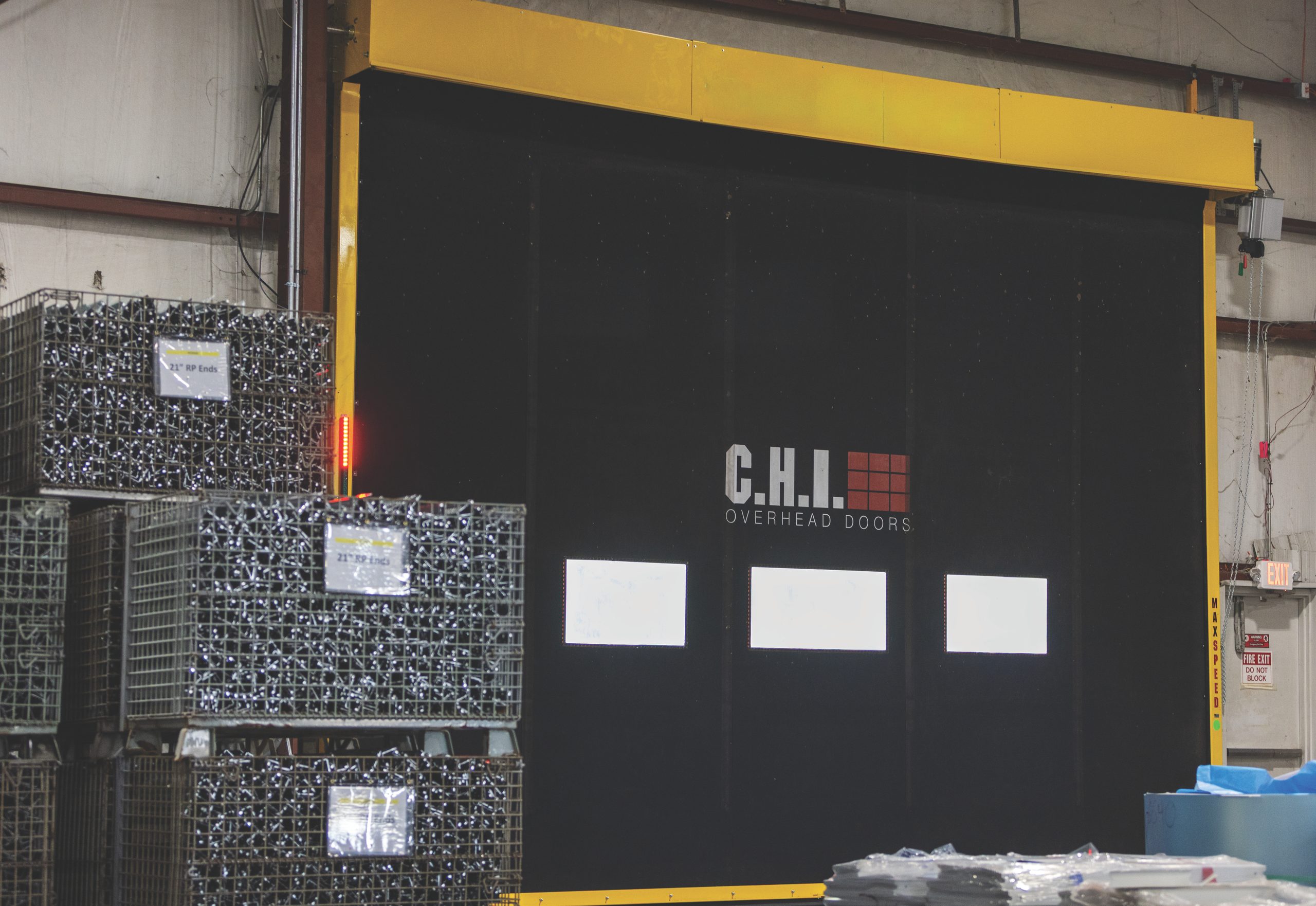
Nucor acquires Rytec Corporation and Southwest Data Products, expanding into commercial doors and data center infrastructure.
2025
More Than a Name
Since 1975, Nucor has honored a simple but powerful tradition: printing the names of every teammate on the cover of the annual report. 2025 marks 50 years of that commitment – and what began as less than a page grows to more than 20. A reflection not of scale, but of something deeper. At Nucor, every name represents a person, not a number. Fifty years in, the tradition stands as one of the clearest expressions of a culture built on the belief that people are the company.