


Steel 101: The Basics of Steel Composition, Alloys and Grades
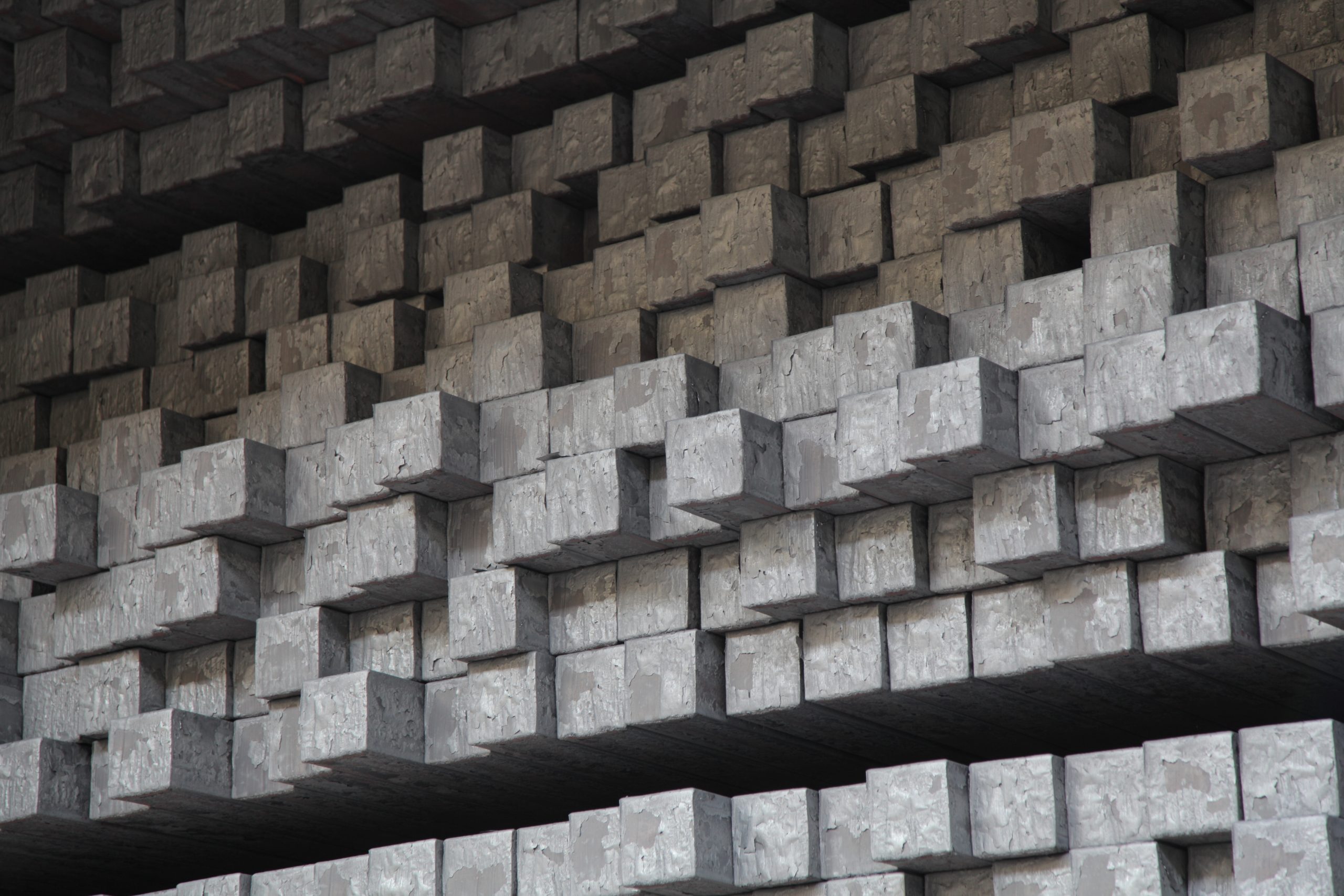
Steel is the most commonly used metal in the world, yet many remain unaware of its historical significance or prevalence in society. Much of modern life depends on structures and systems that rely on the strength and durability of steel. Steel supports skyscrapers and bridges, strengthens manufacturing equipment and reinforces numerous modes of transportation.
Although the Iron Age marks the earliest known use of iron and steel, it was Henry Bessemer who invented the first process for manufacturing steel at a larger scale in the 1850s by blowing oxygen through molten pig iron to remove impurities (The National Iron & Steel Heritage Museum). Steel continues to evolve as steel manufacturers invest in innovative steelmaking techniques and methods to produce a range of steel types and grades for a variety of end uses.
Since it is an essential material across key industries such as infrastructure, energy, automotive and advanced manufacturing, steel’s reliability under stress, durability and ability to be recycled in a closed loop make it valuable for economic, societal and sustainability purposes.
What is Steel Made Of?
Steel is a metal alloy consisting mainly of iron (Fe) and up to 2.1% carbon (C), resulting in a metal with significant strength, durability and versatility. Additional alloying elements like chromium, manganese or nickel can be added to the chemistry to achieve a variety of specific chemical compositions depending on the end use.
Steel is a general term describing the metal itself, and it is manufactured at mills into steel products such as sheet, plate, beam and bar.
Steel is manufactured in two main ways:
- Blast furnace-basic oxygen furnace (BF-BOF) steelmaking uses a blast furnace (BF) to first convert iron ore, limestone and coke into liquid iron, known as pig iron. This process relies on the extractive process of mining for iron ore and limestone as well as coal to produce coke. The pig iron is then converted into liquid steel using a basic oxygen furnace (BOF). This BF-BOF process is emissions-intensive because it produces high levels of CO2 as a byproduct. The BF-BOF process is the most widely used method of steelmaking globally, accounting for nearly 70% of global steelmaking, but it has many challenges in meeting current global sustainability mandates. These mills are vast because they encompass the entire integrated process, from mining and storing raw materials through BF-BOF processing to the finished-product stage.
- Electric arc furnace (EAF) steelmaking is a circular process that uses electricity to melt scrap steel into new, high-quality steel. Since steel is infinitely recyclable with no loss of quality, EAF steelmaking is more sustainable, and it emits less than one-third the CO2 emissions on average compared to BF-BOF (worldsteel). EAF steelmaking currently dominates steel production in the United States, accounting for nearly 70% of domestic steelmaking, and complies with several global sustainability mandates. EAF mills are often called mini mills due to their flexibility and efficiency in steelmaking.
Since Nucor produces steel exclusively through EAF steelmaking, this article will focus on these smaller, more sustainable mills that can vary production based on demand.
EAF operations fall into the category of mini mills, which are highly efficient facilities that melt scrap and refine its chemistry in furnaces powered by electricity. The liquid steel is then cast into various semi finished solid shapes, including billets, blooms or slabs. These semi-finished forms are then rolled into a wide range of finished products.
Nucor has strategically located mills across North America that enable geographic advantages such as transportation efficiency and reliable delivery to key markets.
Types of EAF steel products and mills:
- Sheet is produced at steel mills equipped with thin-slab casters and hot-strip rolling mills.
- Plate comes from steel mills designed for thicker slabs and robust rolling stands that can deliver wide, heavy sections.
- Beam and bar products are long products made at steel mills with continuous casting and specialized rolling lines.
The percentage of recycled materials that comprise different steel products can vary based on their unique chemical composition and physical standards required. Nucor steel products contain an average of 77% recycled content; some products, such as rebar, contain nearly 99% recycled material, and all are 100% recyclable at the end of the product’s lifecycle without quality loss.
Low-embodied carbon steel is another term for sustainable steel, or “green steel,” produced most often through EAF steelmaking with lower production-stage greenhouse gas (GHG) emissions. Low-embodied carbon steel may be accompanied by an environmental product declaration (EPD) that provides transparent information about the product’s environmental impact.
Additional resources:
What are the Types of Steel and Steel Grades?
Steel is central to the American industrial economy, produced at scale, and standardized by types and grades so that purchasers can trust that each will perform exactly as intended. It starts with metallurgy, the study of the properties, composition and processing of metals.
While iron is a natural element, steel is a human invention and can be tailored to meet whatever design requirements humans specify. In steelmaking, iron is combined with carbon and other alloying elements to create different types of steel for specific applications and end uses.
Standard systems of steel classification:
- American Society of Testing and Materials (ASTM)
- The Society of Automotive Engineers (SAE)
- Some industries, such as military and defense, have their own naming standards to meet military specifications (MIL-SPEC), including MIL, MIL-DTL, NAVSEA and AMS, among others.
These organizations categorize steels into different grades that specify their chemical composition and mechanical properties such as strength, toughness, hardness and ductility. Some steels have become much stronger yet lighter, enabling impressive advancements in construction, automotive and other industries.
Common steel categories:
Over 3,500 different steel grades exist, each with their own unique physical, chemical and environmental characteristics (Steel Facts, 2025). These grades typically fall under larger sub-categories of steel types.
Carbon steel is an alloy in which carbon is the primary alloying element, known for its strength, durability and versatility, with varying percentages that determine its specific properties.
- Mild steel has low carbon and excellent weldability, with typical carbon contents ranging from ultra-low carbon (i.e. <.02%) up to 0.25%, and typical uses include construction in buildings and body panels in automotive.
- Medium carbon steel is stronger but less ductile, containing 0.25% – 0.60% carbon, and its uses include gears in machinery and automotive or heavy-duty fasteners.
- High carbon steel is stronger yet more brittle and difficult to weld and contains 0.60% – 2.1% carbon, and typical uses include industrial gears, railway components and automotive chassis.
Alloy steel is any steel that contains additional alloys such as manganese, chromium, nickel, vanadium, etc. that affect the properties of the steel. Alloys are added to improve strength, toughness, flexibility, machinability or resistance to corrosion and wear, and can also be heat-treated or coated for specialized end uses.
Note: Every type of steel is technically an alloy of iron and carbon, so alloy steels refer to steel products with additional alloying elements.
High strength structural steel is typically strengthened with increasing levels of carbon and manganese and has typical yield strength ranges between 26-80ksi and features properties including an excellent strength-to-weight ratio, high yield and tensile strength and resistance to cracking under pressure.
High strength low alloy (HSLA) steel (also called micro-alloyed steel) uses a low carbon chemistry but contains additional micro-alloying elements like vanadium, niobium and titanium that improve mechanical properties in strength, toughness and corrosion resistance while maintaining formability and weldability. Typical yield strengths range from 30-80 ksi.
All steel products undergo various testing practices to ensure quality, including destructive mechanical tests for strength and hardness (such as the tensile test, hardness test and Charpy V-notch impact test), as well as non-destructive tests to detect internal flaws and chemical analysis (such as optical emission spectroscopy) to verify composition.
Mill test reports accompany each shipment for all Nucor products.
Additional resources:
Why Steel Matters
Steel supports every major sector of the economy, and its production method determines how responsibly we build the future. Unlike most materials, steel can be recycled indefinitely without loss of quality, creating a closed-loop resource that supports a circular economy.
EAF steelmaking is the backbone of that circular model. By melting scrap instead of relying on emissions-heavy integrated BF-BOF steelmaking, EAF mills dramatically reduce emissions and demand on raw materials to meet science-based emissions targets set by the Global Steel Climate Council (GSCC).
Contrary to common misconceptions, EAF steel can meet even the strictest quality and performance standards for specialized steel products in automotive and other innovative industries – and help meet decarbonization goals. Additionally, a 2025 study shows that iron ore reserves are shrinking, while scrap supply is steadily growing to meet EAF demand (Steel Manufacturers Association).
Sustainable steel strengthens supply chains, supports local job creation and ensures that the materials shaping tomorrow are produced with the lowest possible emissions.