
Choosing the Right Building Materials to Speed Data Center Delivery
The demand for data center infrastructure continues to accelerate, driven by the need for expanded cloud-based data storage and A.I. As a result, time to online has become one of the most critical factors in project delivery. Delays are no longer measured solely in schedule impacts; they translate directly into lost revenue, constrained capacity and missed opportunities to meet growing demand.
Global data center infrastructure expenditures are expected to exceed $1.7 trillion by 2030 (McKinsey & Company, 2025). Meeting this moment requires delivering data centers with precision, ensuring that speed does not compromise quality or long-term reliability. This shift is driving a new approach to design and construction — one that prioritizes offsite or modular manufacturing and early collaboration to streamline execution from the outset.
Now, the industry has an ideal opportunity to view each data center construction decision as an opportunity to expedite delivery from the ground up.
Foundations: Accelerating Early-Stage Construction Milestones with FasterFix Modular Rebar
Foundation work sets the pace for the entire data center build, yet traditional steel rebar installation is among the most labor-intensive and time-consuming phases. Field tying, staging and coordinating large volumes of material on-site can create logistical issues, congestion, heighten safety risks and slow early progress, causing delays that ripple through the remainder of the schedule, a dynamic not always captured in conventional scheduling assumptions.
A modular approach to rebar installation shifts much of this work off-site, where assemblies are manufactured in a controlled environment and delivered ready for installation. FasterFix is a modular rebar solution first developed by Midland Steel in Europe and brought to the United States by Nucor that simplifies the rebar installation process, reducing on-site labor and speeding up installation timelines.
Modular Rebar Benefits:
- Accelerate project schedules: By replacing manual field assembly with FasterFix modular rebar systems, projects can achieve substantial schedule gains, often reducing installation time by an average of 80% compared to traditional methods, depending on project conditions. FasterFix also requires an average of 80% less onsite labor, reducing jobsite risk and congestion during installation.
- Improve jobsite efficiency and safety: With less onsite material handling and fewer workers required in active construction zones, sites experience reduced congestion and lower risk exposure. Modular assemblies are delivered in sequence and staged for immediate installation, minimizing laydown space — a critical advantage on constrained data center sites with tightly-controlled logistics.
- Deliver improved quality: Off-site manufacturing (OSM) in a controlled setting provides enhanced oversight and a lower likelihood of errors or rework compared to field-built installations. State-of-the-art building information modeling (BIM) and construction software enhance this process by providing clear documentation and real-time visibility into production and installation progress, aligning all stakeholders from fabrication to execution. Real-time production tracking and structured delivery schedules give clients greater confidence in hitting critical milestones.
Ultimately, modular rebar systems reflect a broader shift toward integrated project delivery (IPD). By moving critical work off-site and coordinating closely with project partners, teams can advance early-stage construction while reducing risk and establishing a stronger foundation, both structurally and operationally, for the phases that follow. Because FasterFix modular systems are pre-cut and pre-assembled to exact specifications offsite, jobsite material waste is eliminated. This contributes to an estimated 12.6% reduction in carbon emissions compared to traditional rebar installation.
Structural Steel: Designing for Speed, Flexibility and Future Adaptability
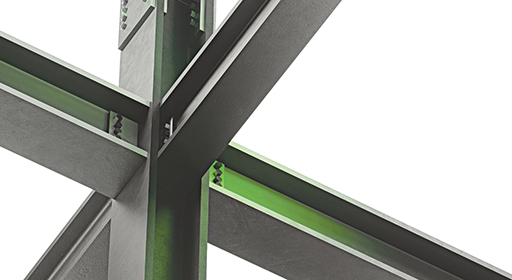
Structural steel plays a central role in accelerating data center timelines, providing the framework that enables rapid construction and long-term performance. Steel framing systems, including joists, beams and decking, are inherently suited for speed due to their ability to be installed efficiently in the field. When coordinated effectively, these systems can significantly compress construction schedules while maintaining structural integrity and precision.
Explore some specific use cases designed to speed up the structural elements of data center construction below.
Steel Joists
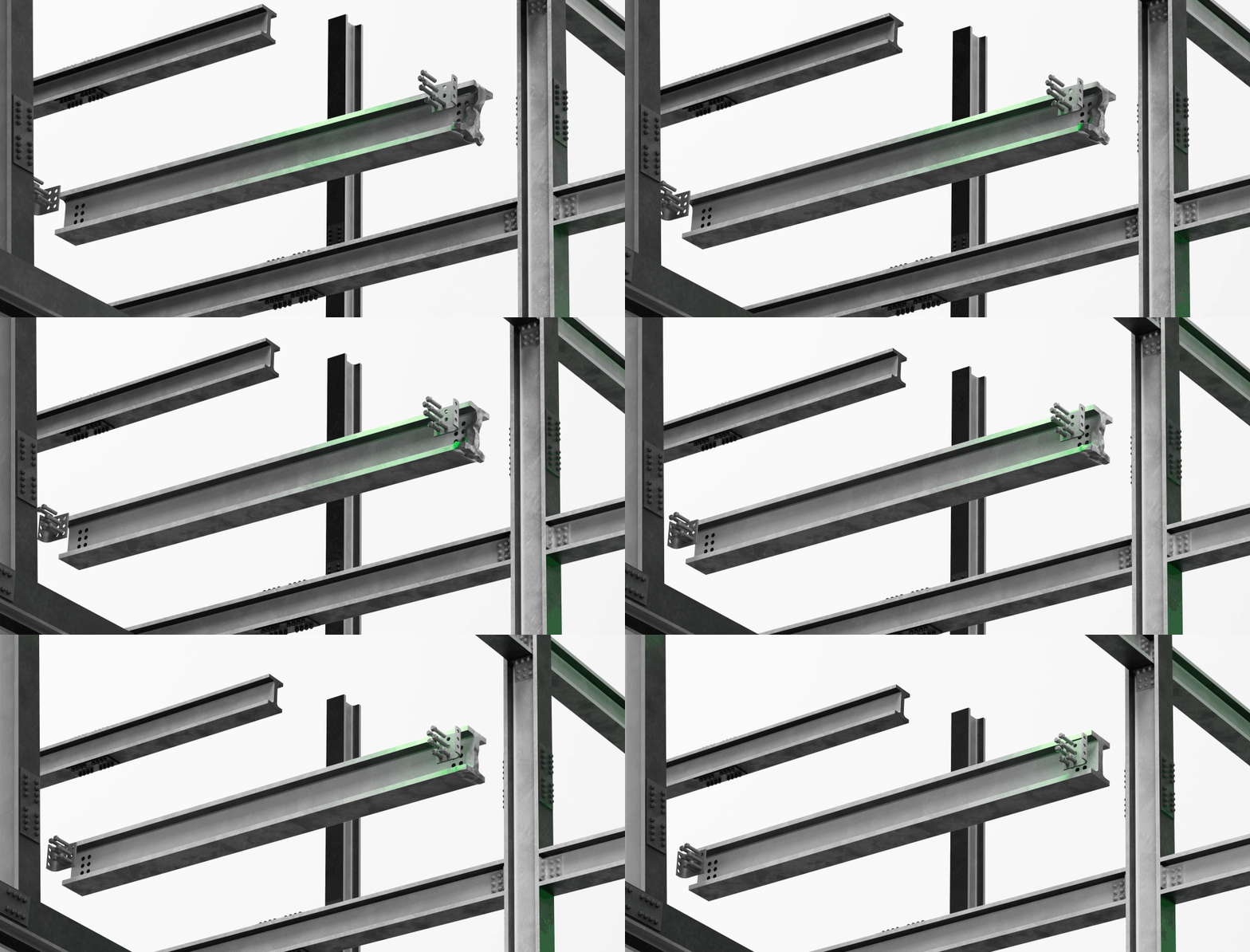
Steel joists are often specified to take advantage of speed in both manufacturing and erection. While joists are not the typical go-to solution for data centers due to their significant roof loads, they are an underutilized type of structural material that should be considered during the design phase. Compared with other structural options that may face longer lead times or have limited capacity, joist designs enable teams to obtain materials faster.
- Their lighter weight allows for easier handling and faster installation compared to heavier structural systems, so designing joist layouts with manufacturing and constructability in mind can significantly improve project schedules. Strategic member layouts and bay configurations can maximize deck-spanning capacity while minimizing the total number of joists required, thereby reducing overall complexity.
Material manufacturers with technical expertise, such as Nucor, can ensure that the building is properly designed for today’s complex hanging loads and future-proofed for the uncertain requirements of tomorrow, so bring them into the conversation early in the project’s design phase.
Pre-Engineered Metal Buildings (PEMB)
Beyond individual components, a growing emphasis on rapid-deployment building solutions is reshaping how structural systems are delivered.
In addition to speed, pre-engineered metal buildings (PEMB) provide multiple benefits for owners, including:
- Design flexibility and modular customization
- Ability to design future additions into the original design
- Large, clear spans allow for more interior layout options
- Offsite manufacturing offers greater control and precision, reducing fieldwork and adjustments
Adaptability Features
Flexibility has become a core design requirement as data center technology continues to evolve. Dovetail decking and ceiling-mounted PinTail™ anchoring solutions allow operators to modify overhead equipment and layouts without invasive structural changes. This capability is crucial in active data center environments where reducing disruptions is essential.
By eliminating the need for drilling or structural rework, these systems reduce risk to sensitive equipment, maintain cleanliness standards to prevent dust buildup and support seamless upgrades as server loads and configurations change over time.
Working Together for Success
Collaboration underpins all of these strategies. Engaging material suppliers and manufacturers during the early design phase (alongside engineers, architects and contractors) enables more informed decision-making around design direction, material availability and constructability. Integrated design approaches help eliminate handoffs between disciplines to facilitate timelines and ensure that structural systems are optimized for performance before construction begins.
Taken together, these capabilities position structural steel as a material that enables faster delivery alongside long-term quality and adaptability.
Cladding Systems: Improving Safety and Installation Efficiency
Once the structural elements are in place, the building envelope is instrumental in determining how quickly a data center can be enclosed, protected and advanced to interior work. Cladding systems that prioritize streamlined installation play a key role in accelerating this phase while improving safety and jobsite efficiency.
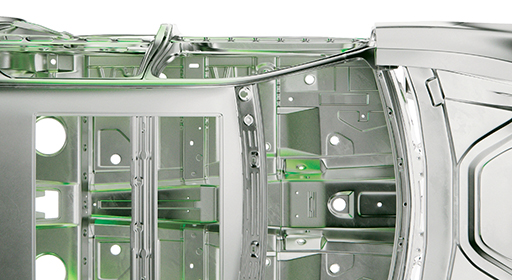
Insulated metal panels (IMPs) and prefabricated or unitized wall systems are increasingly used to simplify data center enclosures. Rather than the conventional approach to installing panels in the field, prefabricated IMPs arrive on site as integrated assemblies, ready for installation. In many cases, panel sections can be assembled on the ground and lifted into place, reducing the need for extended work at height and minimizing the number of contractors required on-site. This approach not only improves safety by limiting exposure but also allows crews to work more efficiently with fewer installation steps.
Because faster installation enables earlier enclosure of the building, interior trades can begin work sooner, which reduces exposure to weather-related delays. Achieving a weathertight structure earlier in the project timeline is a major advantage, particularly for data centers where tight schedules and sequencing are essential to bringing systems online quickly.
IMPs enhance this efficiency by consolidating multiple building-envelope functions into a single system. Acting simultaneously as an air barrier, insulation layer, moisture control system and exterior finish, they become a single source approach that reduces coordination complexity and propels project delivery while maintaining consistent quality.
Beyond speed, IMP systems offer a range of performance benefits that support long-term operation:
- Thermal efficiency and energy performance contribute to lower operating costs and potential LEED® green building program-related goals
- Durability and weather resistance, supporting long service life in demanding environments
- Compatibility with multiple structural systems, including conventional steel framing and PEMB
- Design flexibility, allowing for a range of aesthetic and functional configurations
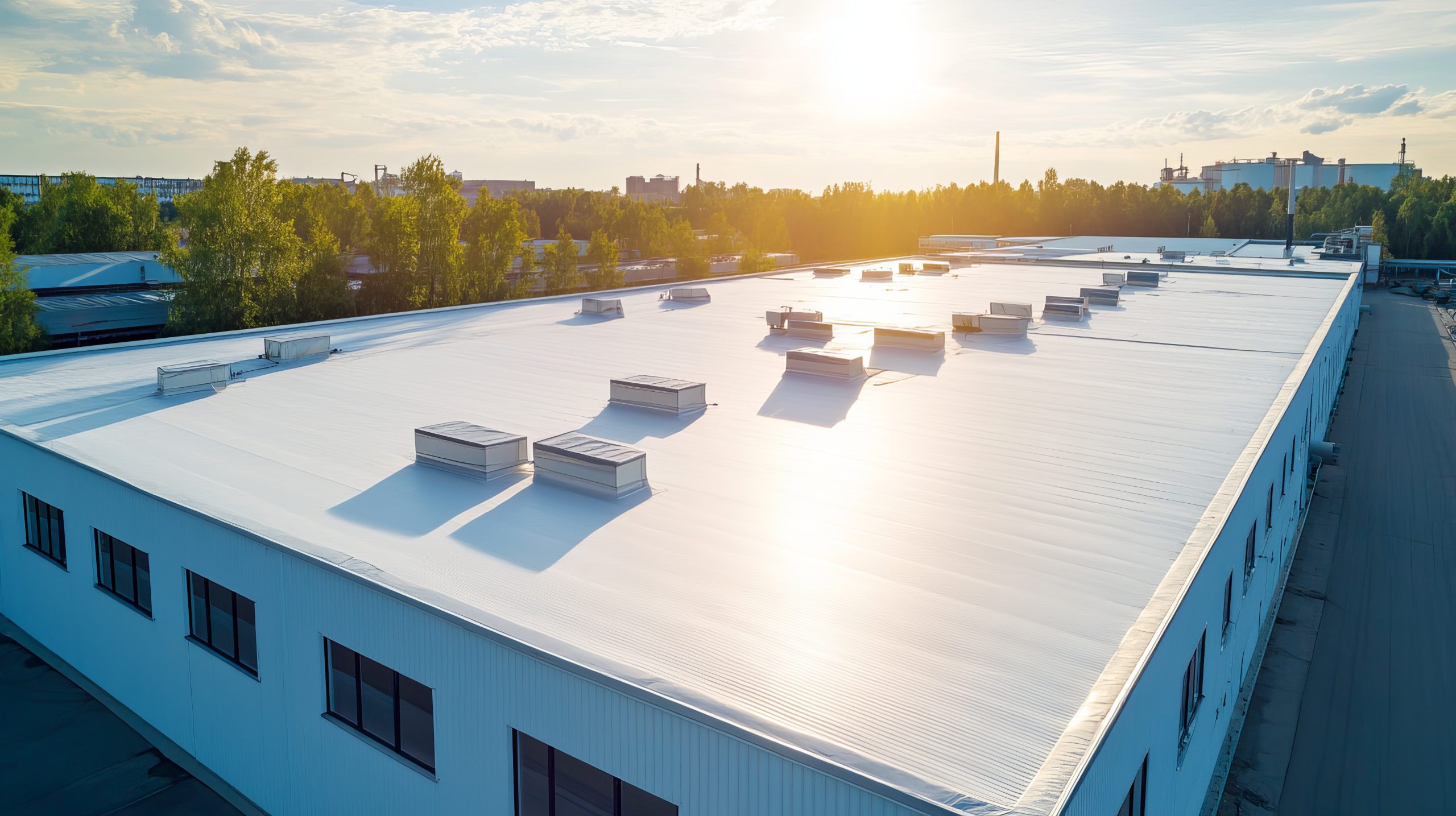
Additional building envelope solutions, including advanced roofing systems, single-skin profiles and other wall and roof options, further expand the possibilities for optimizing performance and installation efficiency tailored to project-specific requirements.
- For example, the TerraVue™ insulated roof deck system from Metl-Span®, a Nucor company, offers a fully integrated, energy-efficient roofing platform with precision-engineered foam core panels for superior waterproofing and thermal performance.
Using unitized building envelope systems shortens installation and achieves weathertightness sooner, enabling a faster enclosure for the next stage of construction: inside the data center.
White Space and Systems Integration: Speed Through Coordination
As construction moves from the building envelope to the interior, the focus shifts to data center white space, the operational core where precision is most critical. This phase brings together structural, mechanical and data systems, and the efficiency of their integration directly impacts how quickly a facility can become operational.
Modular white space infrastructure allows operators to bring capacity online faster while maintaining flexibility for future expansion.
Additionally, off-site prefabrication of key elements, including hot aisle containment systems (HACs), network server racks and support structures, can reduce on-site installation time by more than 50%, while improving quality control and jobsite safety. These modular elements can be assembled off-site prior to the building’s enclosure to save time on the project.
Below are a few ways that internal systems can be optimized for speed to market:
- Align key components such as server racks and cabinet enclosures early to streamline installation and minimize the risk of sequencing delays.
- Consolidate procurement through early collaboration with material suppliers to reduce lead-time variability and simplify logistics for supply chain efficiency, ensuring materials arrive in sequence and ready for installation.
- Design for scalability and adaptability to evolving technology and changing operational requirements. Modular white space solutions enable phased deployment, allowing operators to bring capacity online quickly while maintaining flexibility for future expansion or upgrades.
A comprehensive, single-source approach strengthens these benefits. A partner that provides white space solutions alongside installation expertise enables project teams to ensure consistency from concept to completion.
Nucor Data Systems delivers a complete suite of data center essentials, including:
- Cabinets and racks
- Airflow containment systems
- Reconfigurable server cages
- Server network racks and wall units
- Pathway products and support structures
- Modular structural HACs
These systems are complemented by integrated services such as design and engineering support, project and safety management, along with installation and modular prefabrication.
As a bonus, steel’s inherent recyclability supports long-term material efficiency. End-of-life structural components and related systems, such as server racks and enclosures, can be recovered and recycled, supporting sustainability goals and contributing to a circular economy.
Learn more about why to build data centers with sustainable steel.
How Can You Deliver Data Centers Faster Without Compromising Performance?
Speed is a defining requirement in modern data center construction, but it cannot come at the expense of quality or long-term performance. The most successful projects strike a balance by delivering facilities quickly while ensuring they are built for longevity and scalability.
This approach is only achievable through collaboration and integrated project delivery to accelerate quality installation across every phase of the project — from foundations to structure, enclosure and white space components. Additionally, thoughtful material selection ensures that speed does not sacrifice durability or future adaptability, allowing facilities to evolve alongside changing technology and demand.
Nucor is a vertically-integrated manufacturer with an expansive domestic footprint, providing teams with direct access to products and technical support, which can significantly reduce procurement risk and improve delivery timelines. When material supply, fabrication and system integration are aligned from the outset, project teams gain greater certainty about timelines and ultimately enable owners to bring capacity online faster.
With a breadth of sustainable steel products and solutions spanning the full data center lifecycle, Nucor supports this approach by interconnecting steel products with design, manufacturing and construction into a more efficient, coordinated process. The result is a more reliable path forward that emphasizes speed, quality and long-term value.
See our full breadth of products and services at Nucor Data Centers.