


Inspiring Space and
the People Within It
Jayshree Shah started her career designing important buildings. Then her definition of “important” shifted.
Inspirational journey
Jayshree Shah’s architectural dreams were lofty when she began her career at Skidmore, Owings & Merrill in Chicago. “I started at a big firm that did big international projects, high-rises mostly,” she says. “I thought, ‘This is the important stuff that everyone’s going to see and know.’”
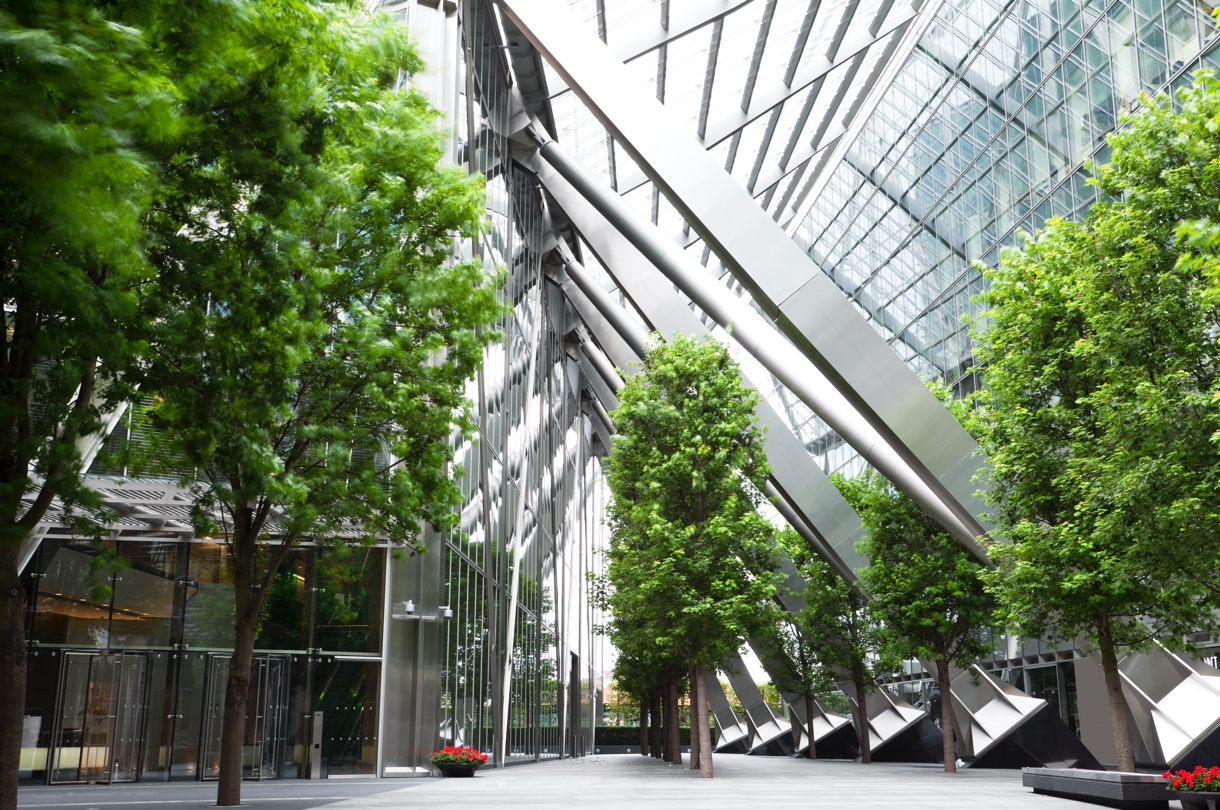
One of the things she focused on was green building design for commercial, hotel, residential, and healthcare developments. Her work on some of the world’s most technically advanced buildings included Trump International Hotel & Tower and the award-winning Broadgate Tower in the business district of London. Broadgate Tower is a 35-story structure with stainless steel cladding on the exterior. The large diagonal struts at the base bridge the tracks to Liverpool Street station and create a pedestrian plaza that’s lined by trees and sheltered by a glass canopy.
But her inspiration shifted.
What you’re designing impacts people
“9/11 made an impact for me regarding safety and design, making sure flow went well,” Shah says. “There’s a psychological aspect around how what you’re designing affects people.”
She joined a boutique Chicago firm, bKL Architecture, where she provided design concepts for interior and exterior spaces for multi-use buildings and educational facilities. “Education is my favorite thing to work on because you can relate to it,” she says. “You’re designing for the future.”
That project stuck with her; she lists it as her favorite in her career thus far. But she found herself wondering what would inspire her next.
There’s a psychological aspect around how what you’re designing affects people.
Changing mindsets:
the influence of space
Shah joined the American Institute of Steel Construction (AISC) as a technical marketing representative. “They hired me to be a different thinker among engineers,” she says. “I got to travel, see projects, research innovations in steel, and try to get architects to think outside the box.
“Being an architect doesn’t mean you just have to sit behind your desk and draw,” she says. “There are a lot of other ways to inspire the field, to influence space.”
AISC brought Shah in to inspire architects who consider steel an innovative choice for many projects but may not think of using it for multistory residential buildings.
“It’s usually something that’s hidden away. And steel can overwhelm architects because they can’t design the connection. They don’t know exactly how it’s supposed to go together; they just want it to work.”
Shah helped architects discover the advantages of using steel in designing buildings. “We encouraged them to really think about all of the factors,” she says. “Not just the upfront material costs, but to see all the benefits and cons in terms of structure. Just thinking about it ahead of time was the most important factor.”
We encouraged them to really think about all of the factors.
Using steel for function and environmental impact
Another critical factor is the way steel creates more open space. Owners often want column-free spaces for flexibility and large gathering spaces with not as many chopped-up areas. Steel is the optimal solution.
“Steel allows freedom for architects to design the floor plan the way they want and not around columns that disrupt the space,” Shah says. “A column 10 feet into the ballroom space means fewer people can enjoy that beautiful room and its view.
“You need to explore the design to make that space valuable,” she says. “Maybe the cost of steel is higher, but you lose all this square footage by taking up usable, rentable space with structure. There are so many other factors: how the light comes in; are you blocking it? Consider what you achieve with floor height space, how you can make your ceilings different with steel.”
Becoming an architect for people
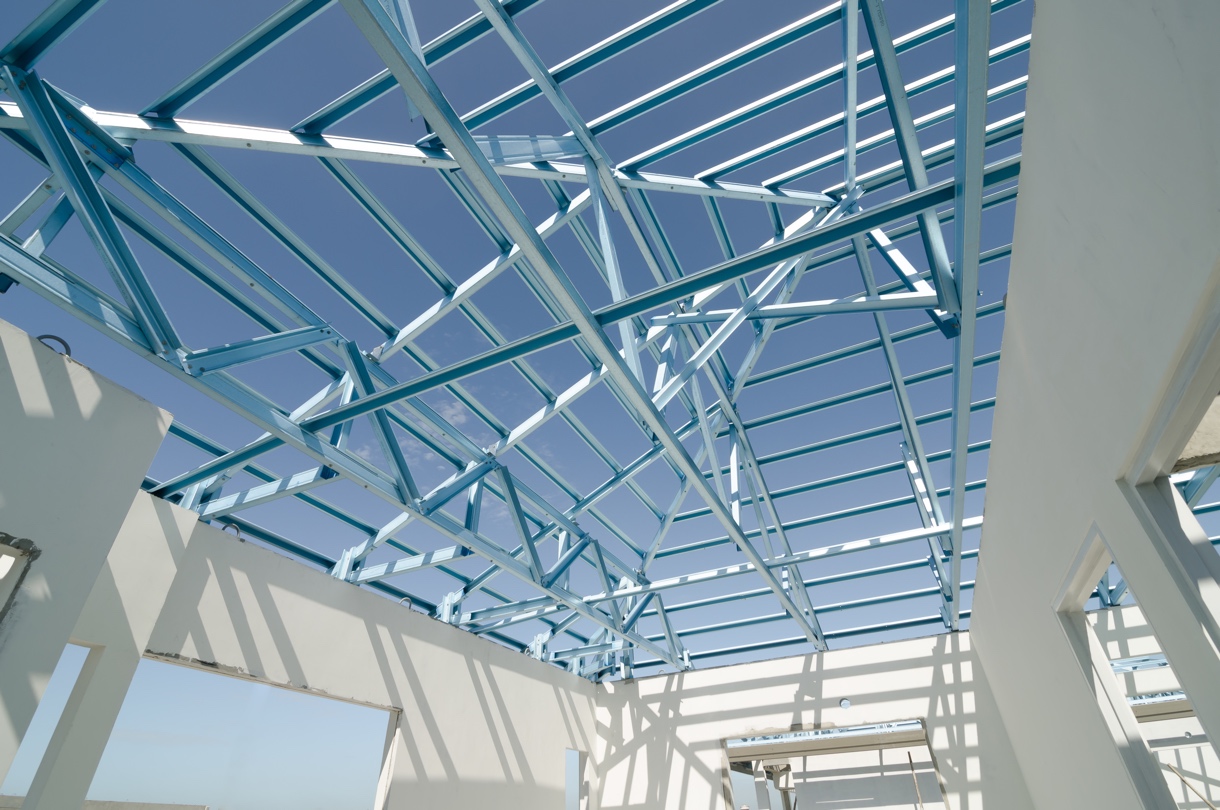
Shah’s time at AISC made her a believer in steel for not just its function, but also for its environmental impact.
“The research is there in terms of recyclability of steel,” she says. “That’s the biggest benefit. It’s 100% recyclable. You get big wins with using steel for that reason.
In talking to other architects, Shah got a new perspective on the kind of architect she wanted to be. “Architects interested in exploring the material and doing something different, being more creative … I had the best conversations with them,” she says. “They wanted to erase all preconceived notions. I think those are the architects who will do the most interesting work.”
As for her interesting work, while 9/11 inspired her to create safer buildings, the coronavirus pandemic has inspired Shah to find new ways to keep people safe. “Post-pandemic, so much is changing,” she says. “The small, tight space with no windows has got to go.”
Her focus is increasingly on the person in the building. She wants to learn more about the science of building spaces for people.
“I want to see more psychological studies on how spaces are impacting people,” Shah says, “and studies on how materials are affecting you if you’re inside all the time. It’s a big interest of mine, how what I do affects people day to day or long term.”
Shah’s dreams are still big, but her dreams have gone from reaching for the sky to reaching people and making their lives better—from making safer, healthier buildings to using materials that can sustain the earth.
“I went from wanting to design a famous, awesome building to knowing every building has an importance in some way, just like every person is important in some way,” she says.
The research is there in terms of recyclability of steel. That’s the biggest benefit. It’s 100% recyclable. You get big wins with using steel for that reason.